Learn how robots work
Plain-language guides to the parts inside robots and the technology that makes them move, see and find their way. Each guide links to the robots, parts and companies in the catalog.
The basics
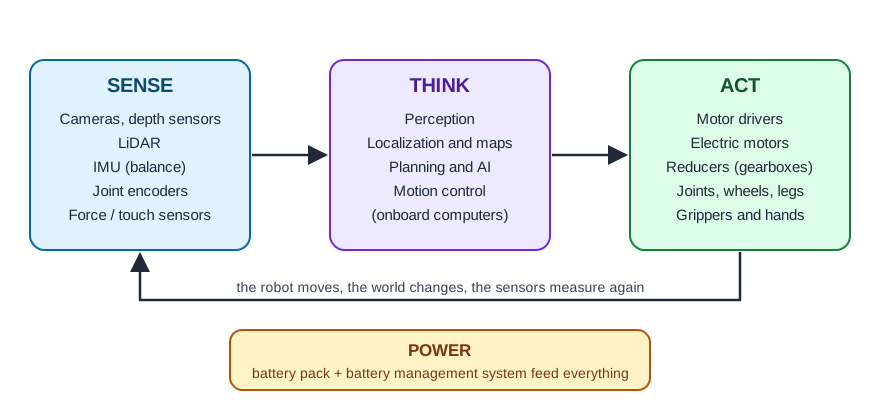 How robots work: sense, think, actEvery robot, from a vacuum cleaner to a humanoid, runs the same loop: sensors measure the world, computers decide, and actuators move. This guide explains the parts involved and how they fit together.
- Cobots vs industrial robots: what is the difference?Collaborative robots can work next to people; classic industrial robots are faster and stronger but usually need guarding. A clear comparison of safety, speed, payload, programming and cost.
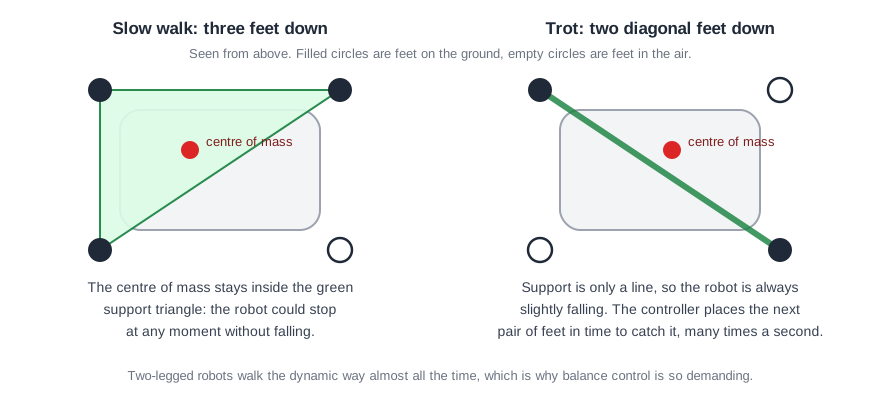 Humanoid and legged robots: how they walk and keep their balanceQuadrupeds and humanoids walk over terrain no wheel can handle. Learn how legged robots balance, why their joints and feet matter, and what to check in their specifications.
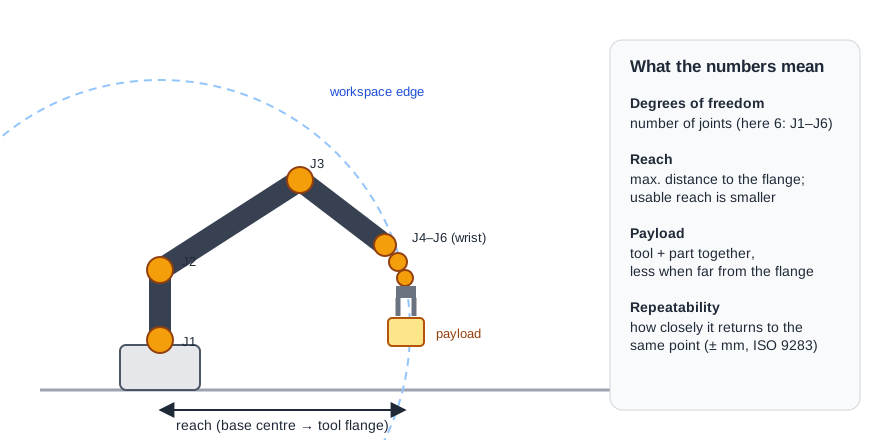 How to read robot specifications: payload, reach, repeatability and moreSpec sheets are full of numbers that are easy to misread. What payload, reach, repeatability, degrees of freedom, IP rating and runtime really mean, and how to compare robots fairly.
- Robot safety basics: standards, risk assessment and collaborative operationAn introduction to how robot installations are made safe: the main standards, why every application needs a risk assessment, and the safety functions found on modern robots.
- Robotics glossary: the terms in robot specs, explainedFrom AMR and backlash to URDF and watt-hours: short, plain-language definitions of the words used in robot specifications, guides and news, with links to longer explanations.
Movement: motors, reducers and grippers
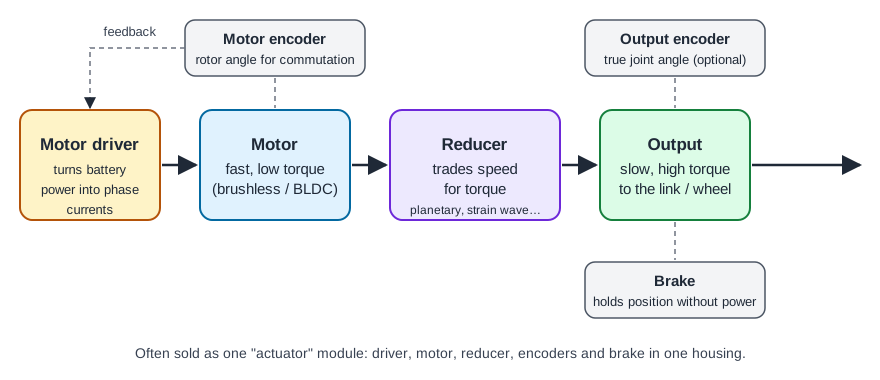 Inside a robot joint: motors, reducers and encodersA robot joint turns electrical power into controlled motion. Learn what the motor driver, motor, reducer, encoders and brake each do, and why many robots now use integrated actuator modules.
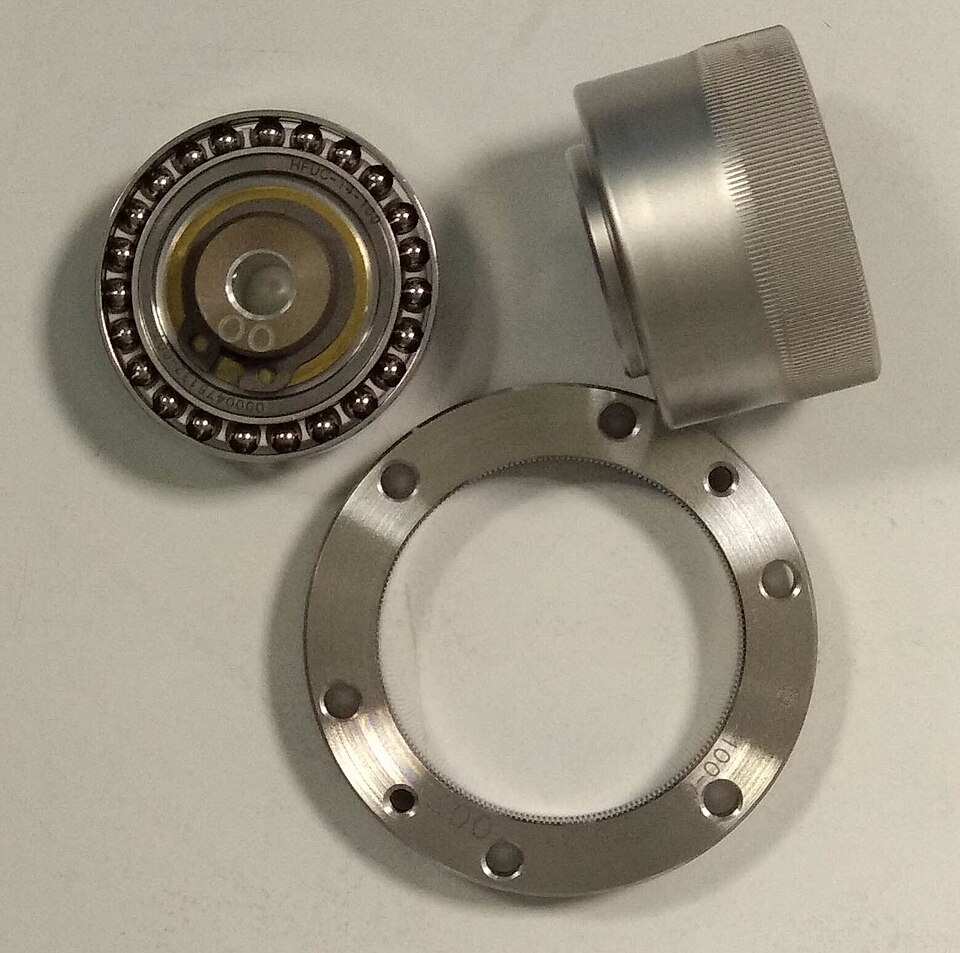 Robot reducers explained: strain wave, cycloidal and planetaryReducers let small motors move heavy robot links precisely. Compare the three main types used in robots, strain wave (harmonic), cycloidal and planetary gears, and what each is good at.
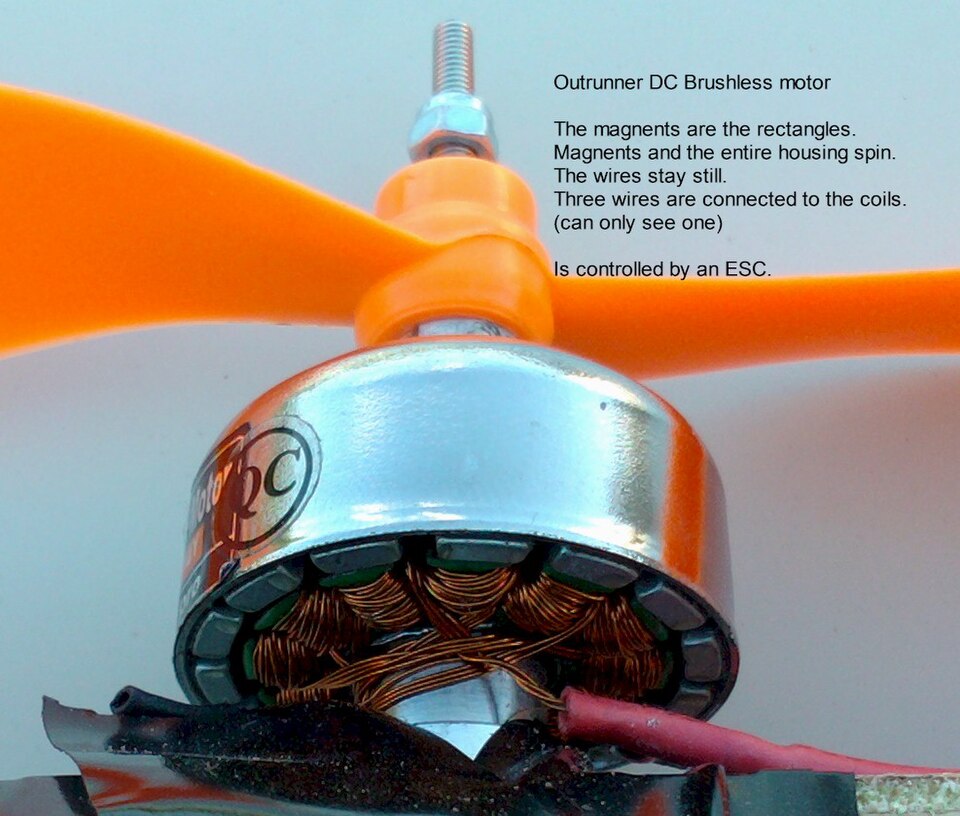 Electric motors in robots: brushless, frameless and steppersAlmost every robot moves with electric motors. See how brushless DC motors work, why robots use frameless torque motors, and where stepper and brushed motors still appear.
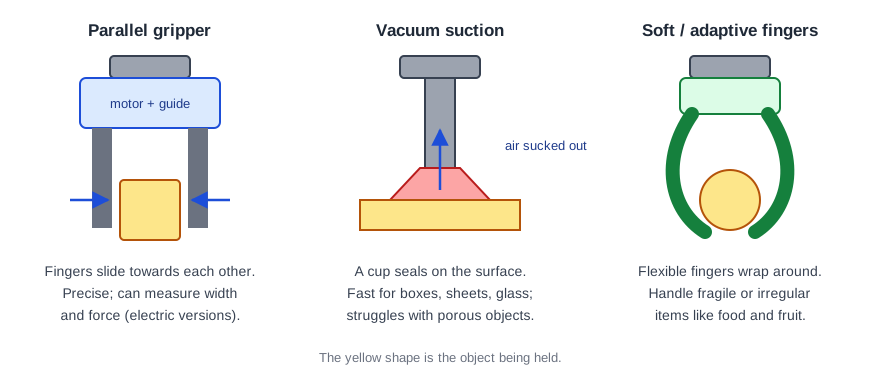 Grippers and robot hands: how robots hold thingsThe tool at the end of the arm decides what a robot can do. Compare parallel grippers, vacuum suction, soft grippers and dexterous hands, and learn what tool changers are for.
Sensing
Power
Control and navigation
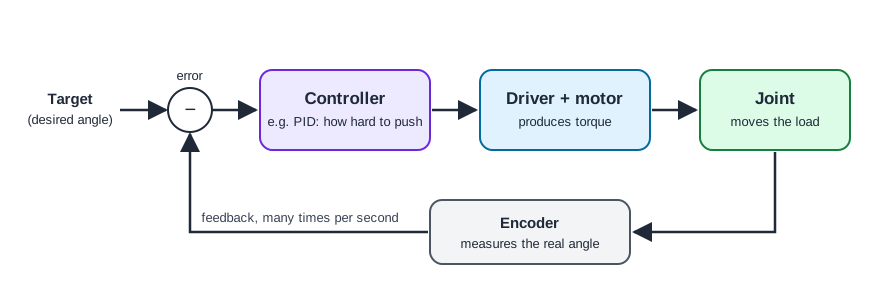 Control loops and encoders: how a robot holds its positionRobots move precisely because they measure and correct themselves many times per second. Learn how encoders measure angles, what a PID controller does and why feedback makes robots safe.
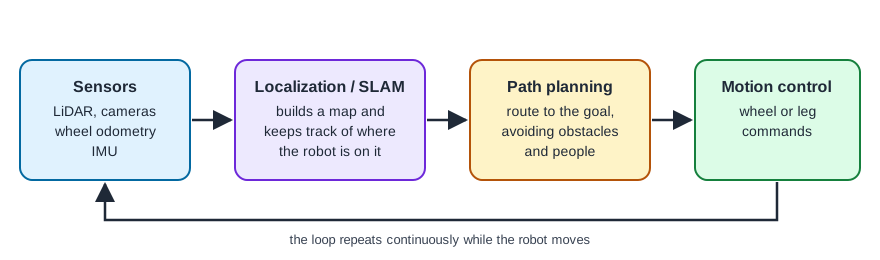 How mobile robots navigate: maps, SLAM and path planningDelivery, cleaning and warehouse robots find their way on their own. Learn how they build maps with SLAM, locate themselves, plan routes around people and why the environment matters.
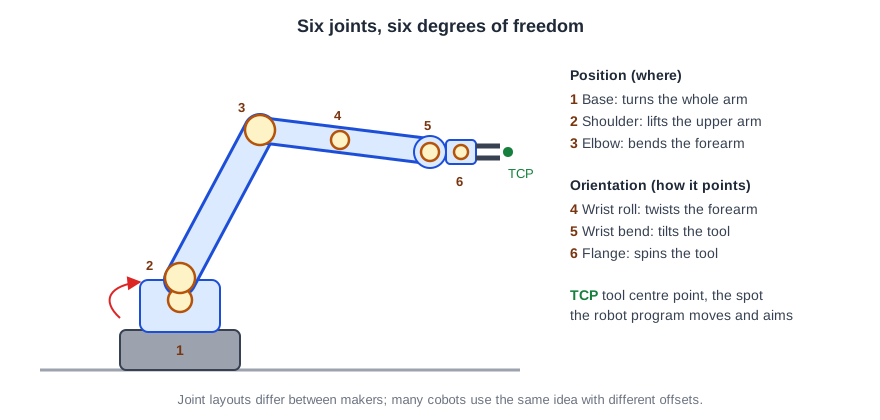 Degrees of freedom and kinematics: how a robot arm reaches a pointWhy most robot arms have six joints, what forward and inverse kinematics mean, and how reach, workspace and singularities affect what an arm can do.
Software and AI
- Robot software: controllers, SDKs and ROSHow robots are programmed, from teach pendants and block programming to SDKs and the Robot Operating System (ROS 2). What to check before you buy if you want to write your own code.
- AI in robots: perception, learned control and foundation modelsHow artificial intelligence is used in robots today: recognising objects, walking with learned controllers, learning skills from demonstrations and the new generation of robot foundation models.
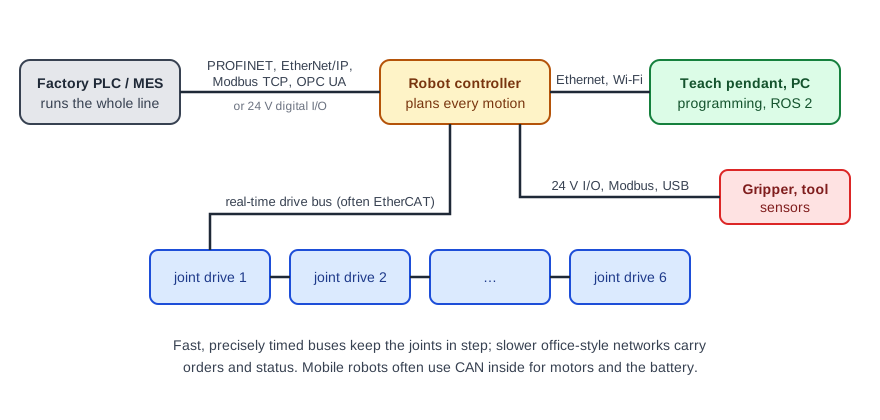 How robots talk: fieldbuses, I/O and networksThe wires and protocols that connect a robot to its motors, tools and the rest of the factory: EtherCAT, CAN, PROFINET, EtherNet/IP, Modbus, OPC UA and simple 24 V I/O.
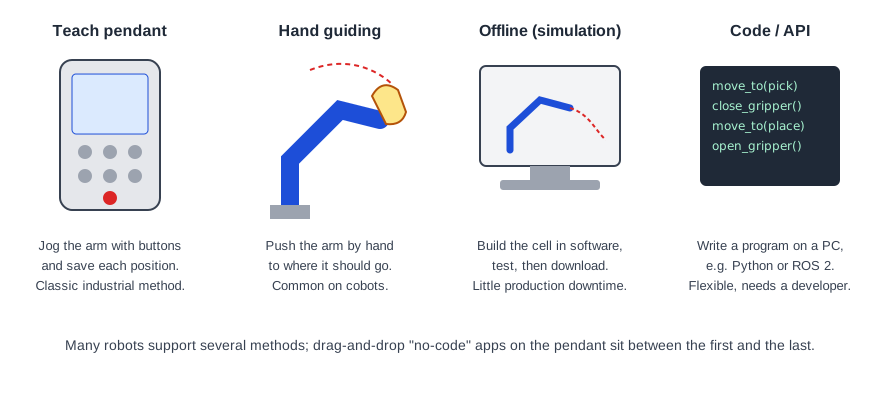 How robots are programmed: pendants, hand guiding, simulation and codeThe main ways to tell a robot what to do, from the classic teach pendant to hand guiding, offline simulation and programming interfaces, and how to choose between them.
Buying
- How to buy a used robot: a practical checklistSecond-hand robots can save a lot of money, if you check the right things. A checklist for used arms, quadrupeds and service robots: hours, batteries, firmware, licences, service history and transport.
- Robot maintenance basics: what wears out and how to look after itThe parts of a robot that wear, the routine checks makers recommend, and the habits that keep a new or second-hand robot working for years.
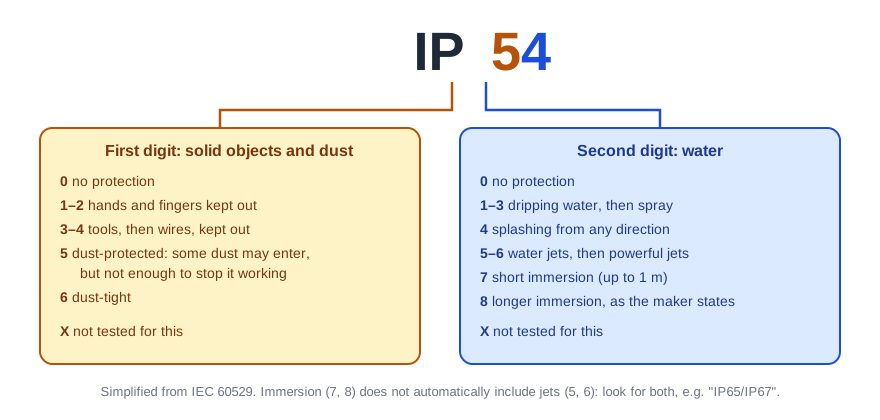 IP ratings: how much dust and water a robot can takeWhat the two digits of an IP code mean, which ratings suit factories, outdoor work and wash-down, and the common mistakes when reading them.
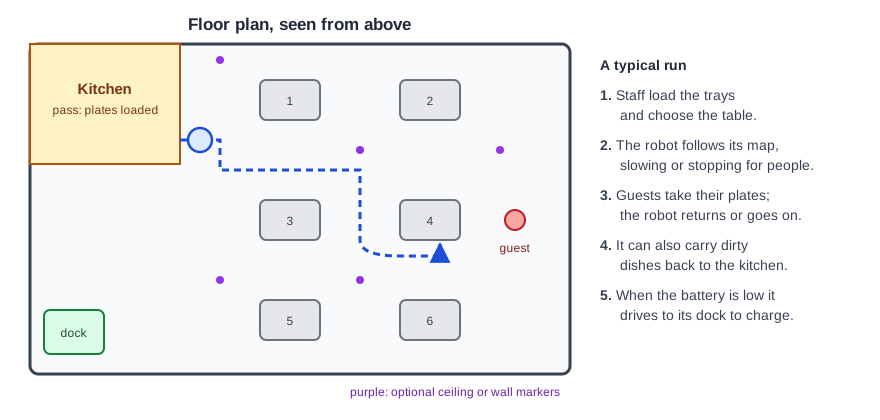 Restaurant and hotel robots: what they do and what to check before buyingHow delivery robots for restaurants, hotels and care homes work, which spaces suit them, and the specifications and practical points that decide whether one pays off.
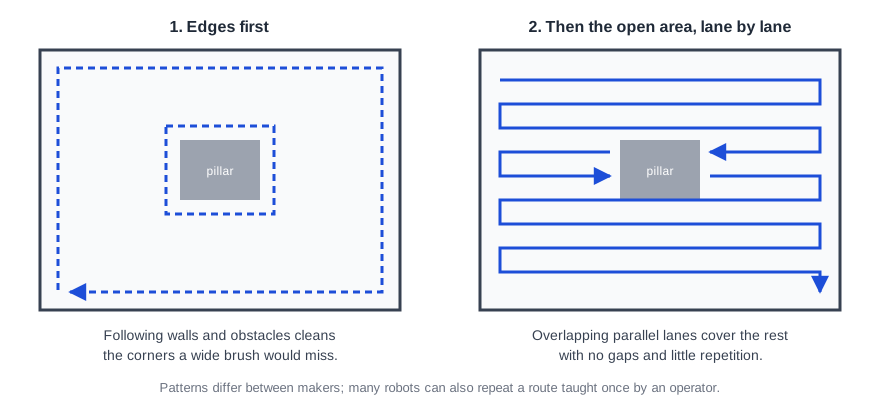 Commercial cleaning robots: scrubbers, sweepers and vacuumsHow autonomous floor-cleaning robots map a building and cover every square metre, the main types, and what to check for runtime, tanks, docking and maintenance.