Buying
Commercial cleaning robots: scrubbers, sweepers and vacuums
How autonomous floor-cleaning robots map a building and cover every square metre, the main types, and what to check for runtime, tanks, docking and maintenance.
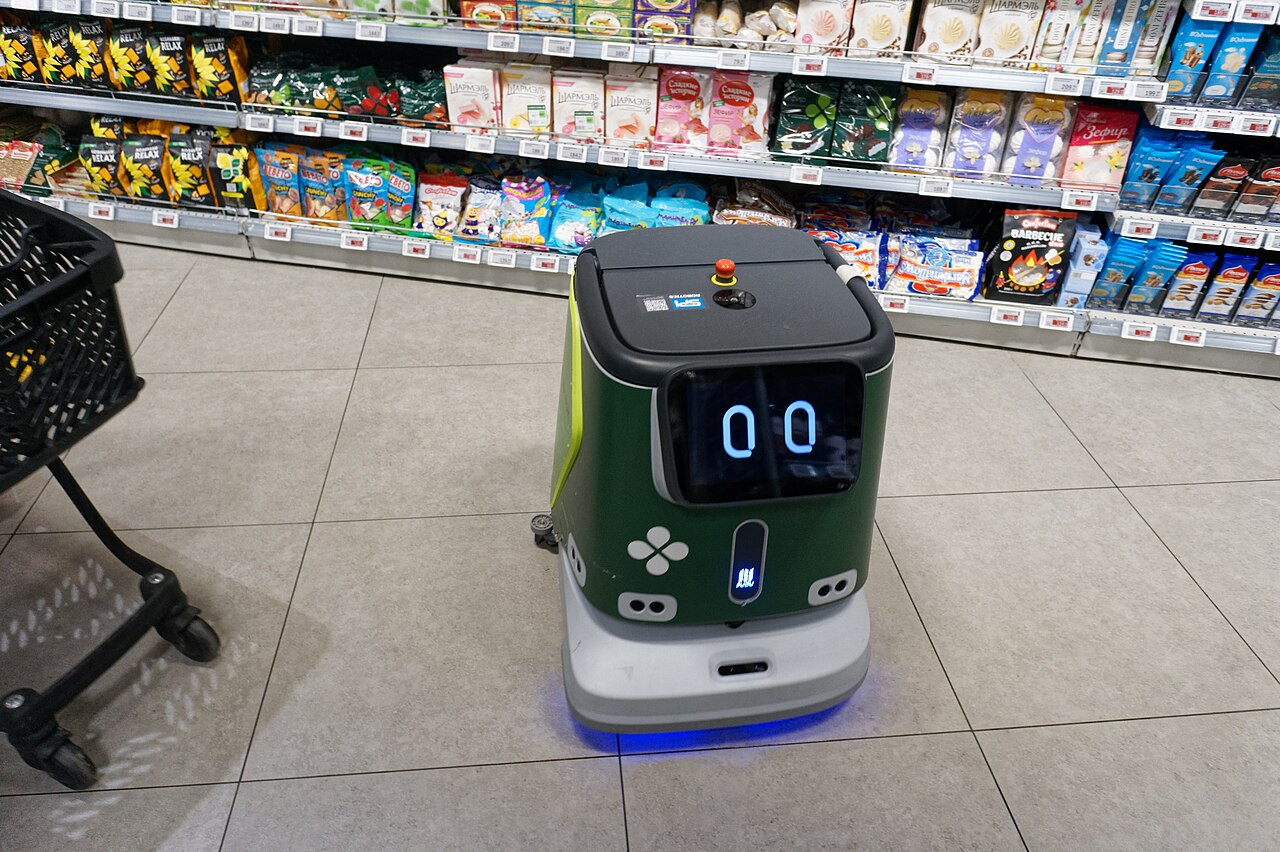
Cleaning is repetitive, often done at night, and covers large areas: a good fit for robots. Commercial cleaning robots work in offices, shopping centres, airports, hospitals, hotels and warehouses, usually alongside a cleaning team that handles detail work.
Main types
- Scrubber-dryers: put down water and detergent, scrub with brushes or pads, and suck the dirty water back up with a squeegee. For hard floors in large areas.
- Sweepers: collect dust and debris from hard floors, including outdoors or in car parks.
- Vacuums: for carpets and hard floors in offices and hotels; much larger and sturdier than home robot vacuums.
- Multi-function robots: combine scrubbing, sweeping, vacuuming and dust mopping in one machine.
How they cover a floor
As with other mobile robots, the building is mapped once. Staff then mark the zones to clean, areas to avoid and the dock. The robot plans a coverage path: many robots clean along the edges first, then fill the open area lane by lane with a small overlap. Others simply repeat a route taught by an operator.
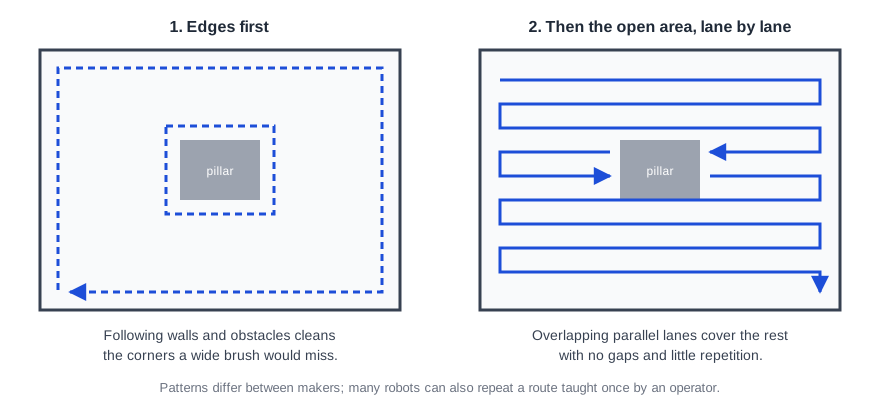
Sensors such as LiDAR, cameras and bumpers detect people, furniture and drops like stairs, and the robot re-plans around new obstacles. It then reports what it cleaned, often with a map of the covered area.
What to check
- Productivity: the area cleaned per hour in the maker's conditions, and whether that includes edges and obstacles.
- Runtime and charging: whether one charge covers your area, and how long recharging takes.
- Tanks and bins: bigger clean and dirty water tanks mean fewer interruptions. Some workstations refill water, drain the dirty tank or empty the dust bin automatically, so the robot can clean for longer without people.
- Lifts and doors: needed if the robot must clean several floors by itself.
- Noise: matters for daytime cleaning in occupied buildings.
- Floor types: carpets, tiles with deep grout, ramps and thresholds.
- Reporting and fleet software: proof of cleaning is often required by building managers.
Maintenance
Brushes, pads, squeegee blades, filters and water tanks need regular cleaning and replacement. Budget for consumables and ask how easy they are to change and where to buy them. Keep the robot's sensors clean too: dirty lenses cause navigation errors.
Browse cleaning robots, find service companies, or read about robot maintenance.