The basics
Cobots vs industrial robots: what is the difference?
Collaborative robots can work next to people; classic industrial robots are faster and stronger but usually need guarding. A clear comparison of safety, speed, payload, programming and cost.
Both are robot arms, often with six joints, but they are designed for different jobs and different safety concepts.
Collaborative robots (cobots)
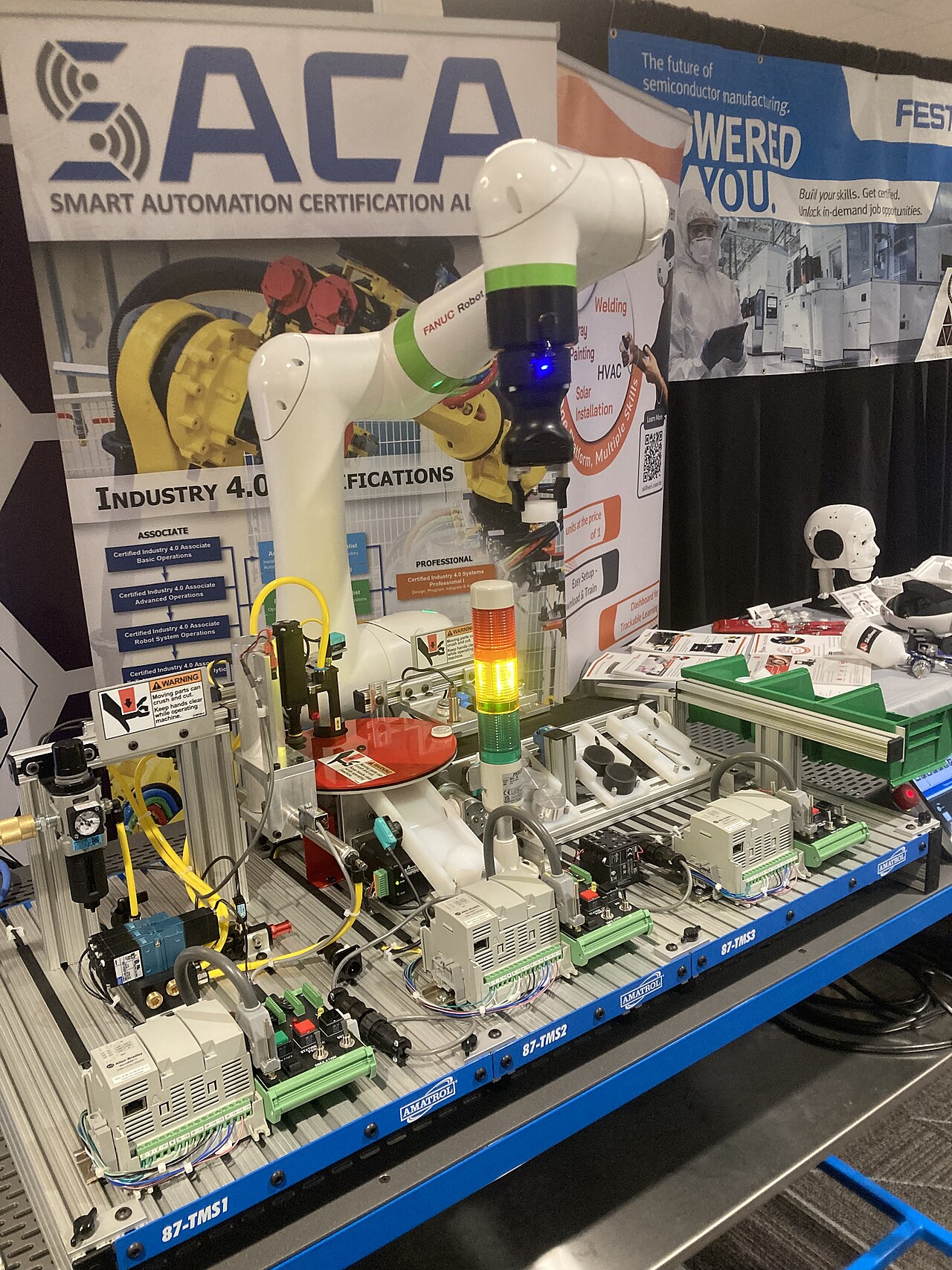
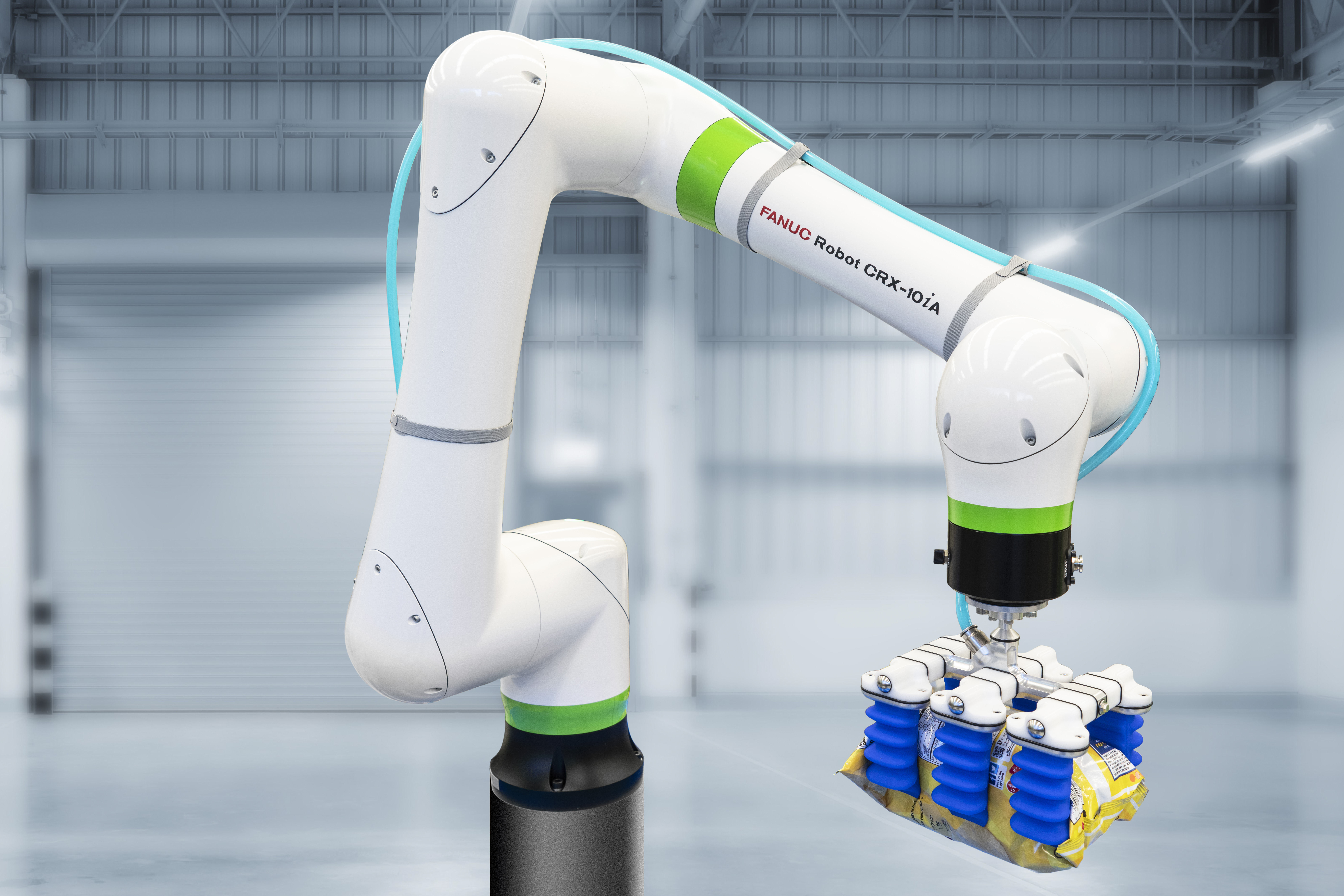
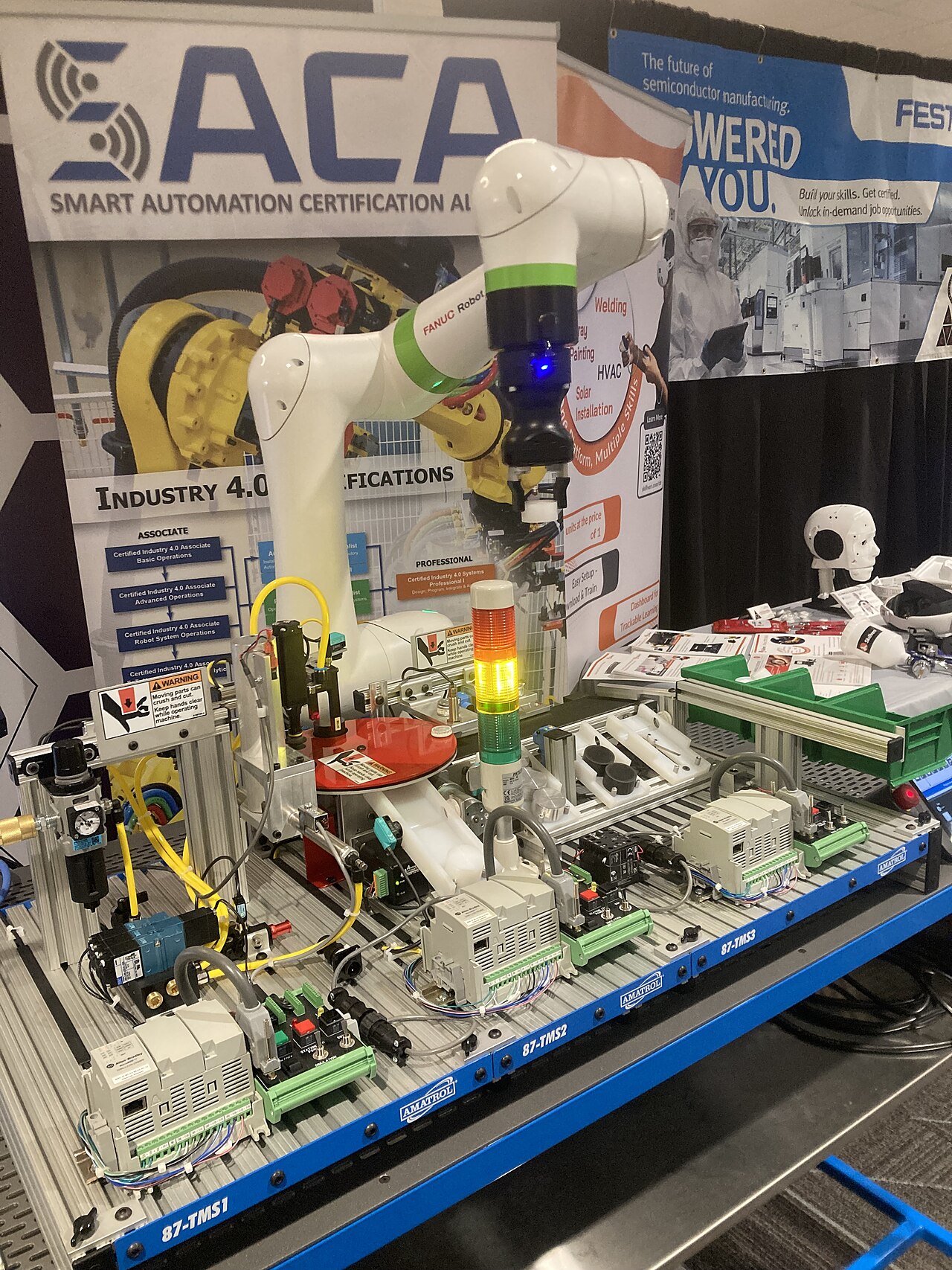
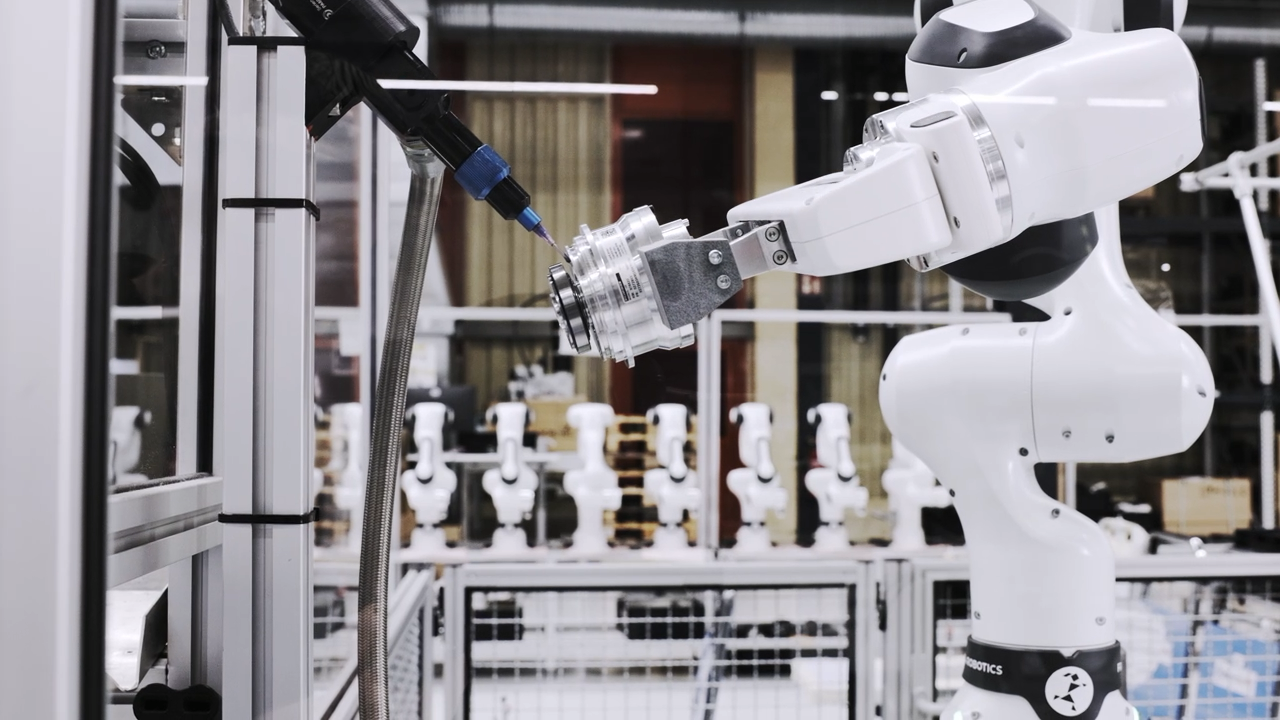
Cobots are built to share space with people. They limit their speed and force, detect contact through joint torque or motor current, and have rounded shapes without pinch points. They are light enough to move between workstations, and most can be taught by hand-guiding the arm or with a tablet app.
Typical jobs: machine tending, screwing, packing, palletising light boxes, quality inspection and lab automation.
Industrial robots
Classic industrial robots are faster, stiffer and can carry much heavier loads, from a few kilos up to hundreds of kilos for the largest models. They usually work behind fences or light curtains, because at full speed a collision would be dangerous.
Typical jobs: welding, painting, heavy palletising, press tending and high-speed pick and place.
Safety is about the application
A cobot is not automatically safe: a sharp tool or a heavy part changes the risk. Every installation needs a risk assessment following the safety standards for industrial robots (ISO 10218, with ISO/TS 15066 covering collaborative operation). Conversely, many industrial robots can now work collaboratively with safety scanners and speed monitoring.
Quick comparison
- Speed and payload: industrial robots win.
- Ease of programming and redeployment: cobots win.
- Floor space and guarding: cobots usually need less.
- Price: cobots are usually cheaper to buy and to integrate for small jobs; for high-volume lines, industrial robots often pay back faster.
Compare cobots and industrial arms side by side, with repeatability, reach and payload linked to their sources. Need help? Find an integrator.