Sensing
How robot sensors work: LiDAR, depth cameras, IMUs and force sensors
Robots see and feel the world through sensors. Understand LiDAR, stereo and structured-light depth cameras, inertial measurement units and force-torque sensors, and what each is used for.
Sensors give a robot its picture of the world and of its own body. Specifications often just say "LiDAR: yes" or "depth camera: yes"; this guide explains what that means in practice.
LiDAR
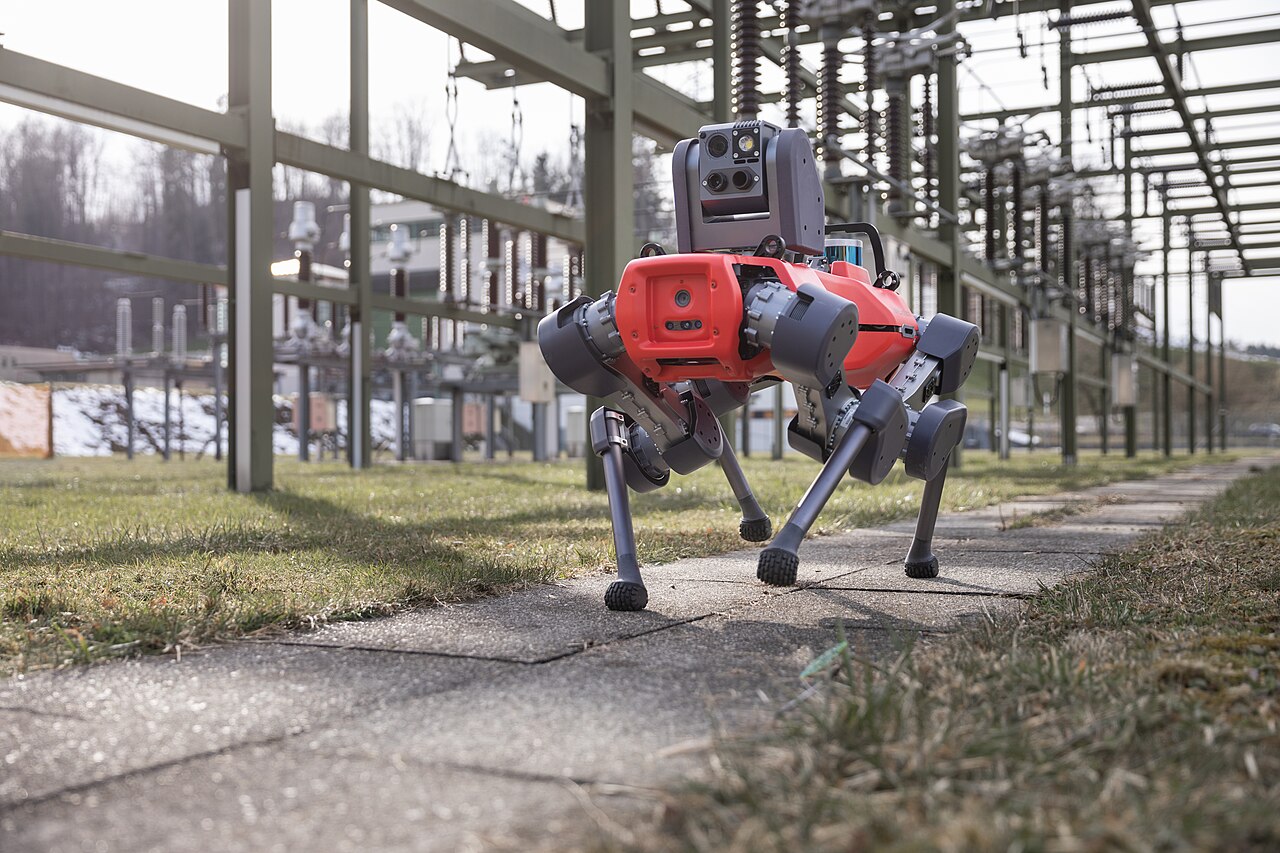
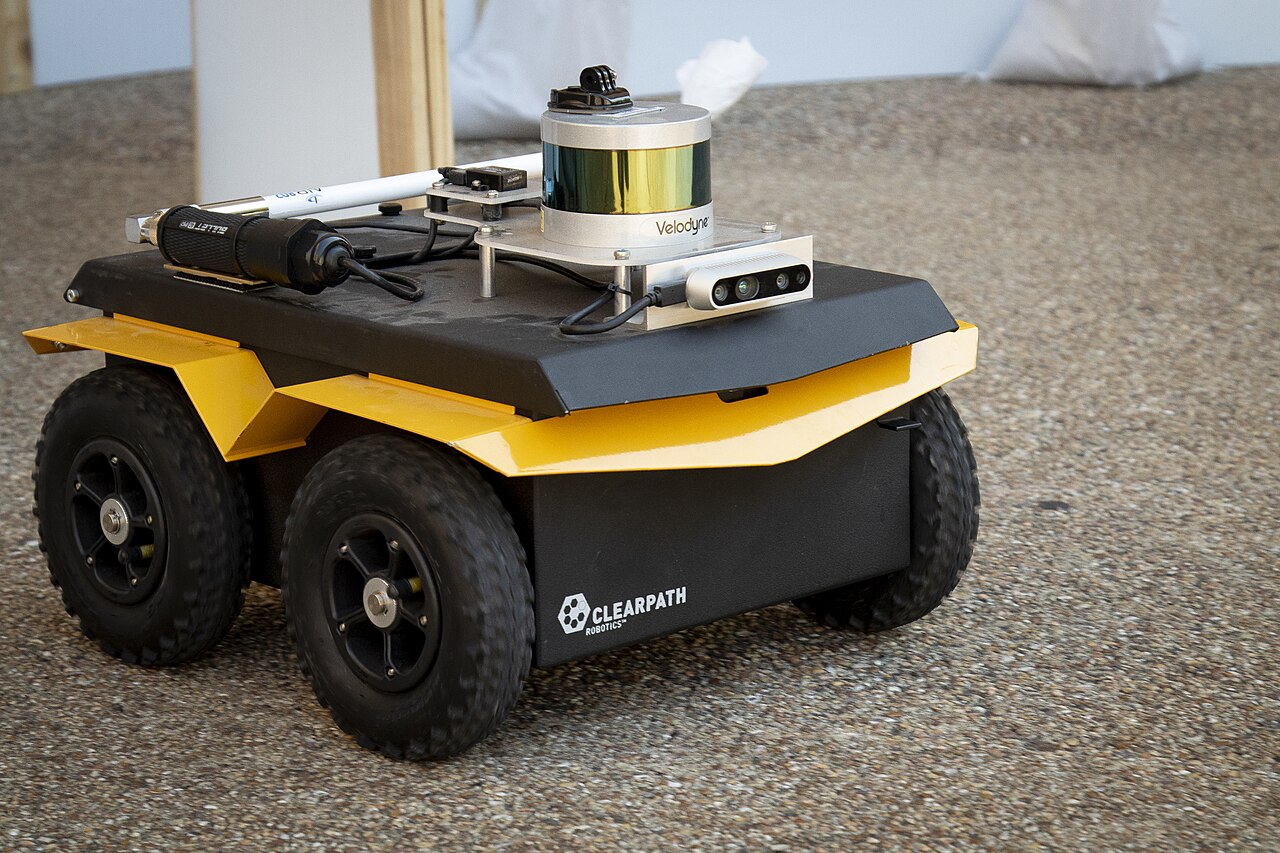
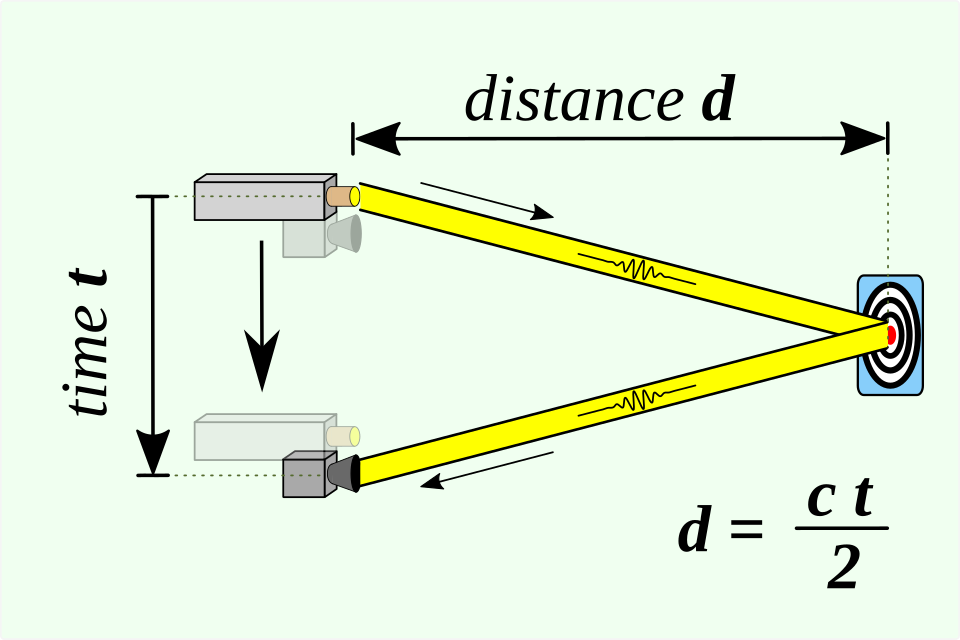
A LiDAR measures distance with light: it sends laser pulses and times how long they take to come back (time of flight). Spinning or scanning the beam produces a point cloud, thousands of 3D points around the robot. LiDAR works in the dark and gives accurate distances, which makes it the main sensor for mapping and obstacle avoidance on mobile robots and quadrupeds. Rain, fog, glass and very dark surfaces can confuse it.
Depth cameras
Depth cameras give an image where each pixel has a distance.
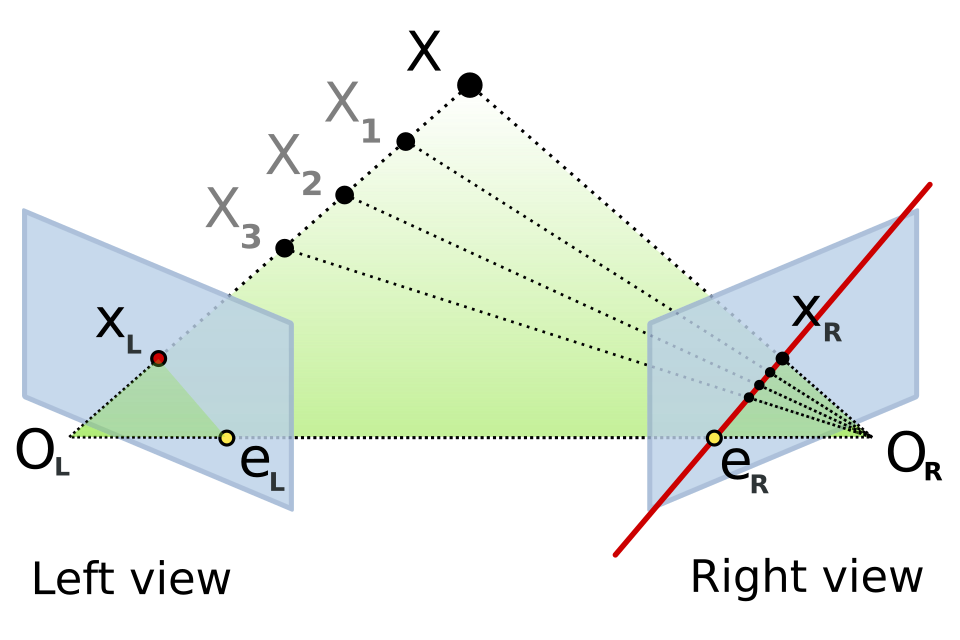
- Stereo cameras compare two images, like human eyes; they work outdoors but need texture in the scene.
- Structured light projects a known pattern and reads how it deforms; very precise at short range, often used for picking objects.
- Time-of-flight cameras time light pulses for every pixel.
IMU: balance and orientation
An inertial measurement unit combines accelerometers and gyroscopes (often MEMS chips) to measure acceleration and rotation. Walking robots depend on it to know which way is down and how fast they are tipping; mobile robots combine it with wheel odometry to estimate their motion between LiDAR scans.
Force-torque sensors
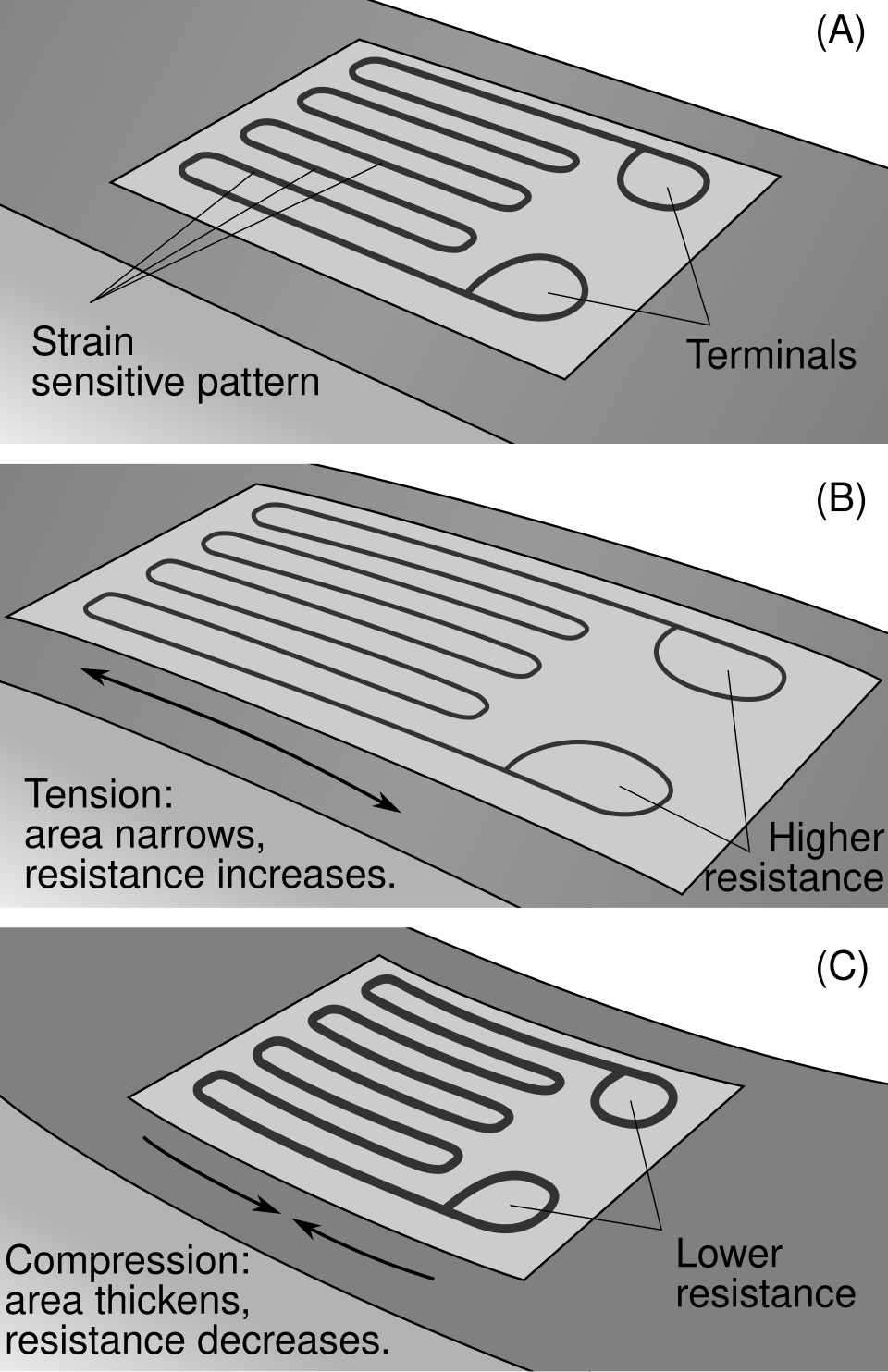
A force-torque sensor, usually mounted between an arm's wrist and its tool, measures pushing forces and twisting torques in all directions. Inside, strain gauges or capacitive elements detect tiny deformations of a metal body. It lets robots polish, assemble and insert parts gently, and helps detect collisions.
Touch and more
Grippers and robot hands add tactile sensors, and many robots carry microphones, thermal cameras or gas sensors for inspection jobs.
See the LiDARs, cameras and force-torque sensors in the parts catalog and the makers in the directory.
Further reading
- Lidar (Wikipedia) (opens in a new tab)
- Time-of-flight camera (Wikipedia) (opens in a new tab)
- Stereo camera (Wikipedia) (opens in a new tab)
- Structured-light 3D scanner (Wikipedia) (opens in a new tab)
- Inertial measurement unit (Wikipedia) (opens in a new tab)
- Strain gauge (Wikipedia) (opens in a new tab)