The basics
How robots work: sense, think, act
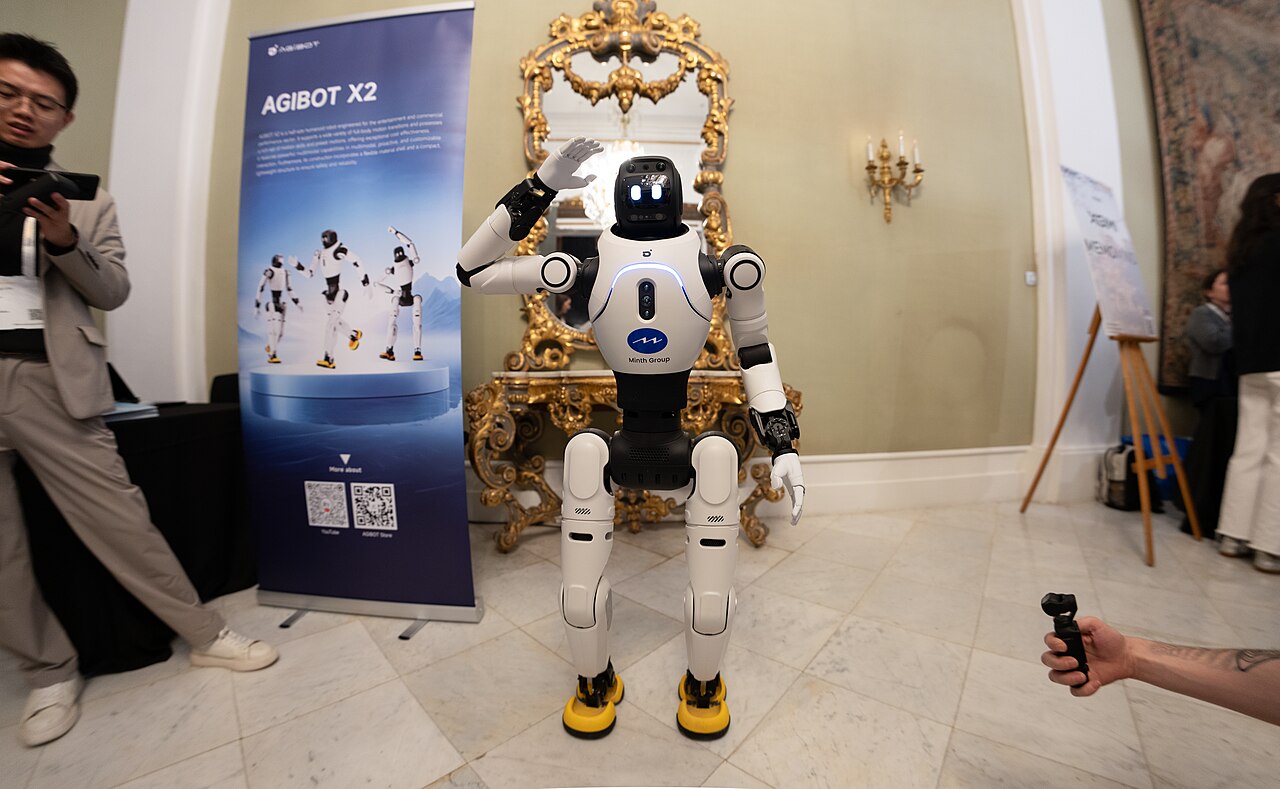
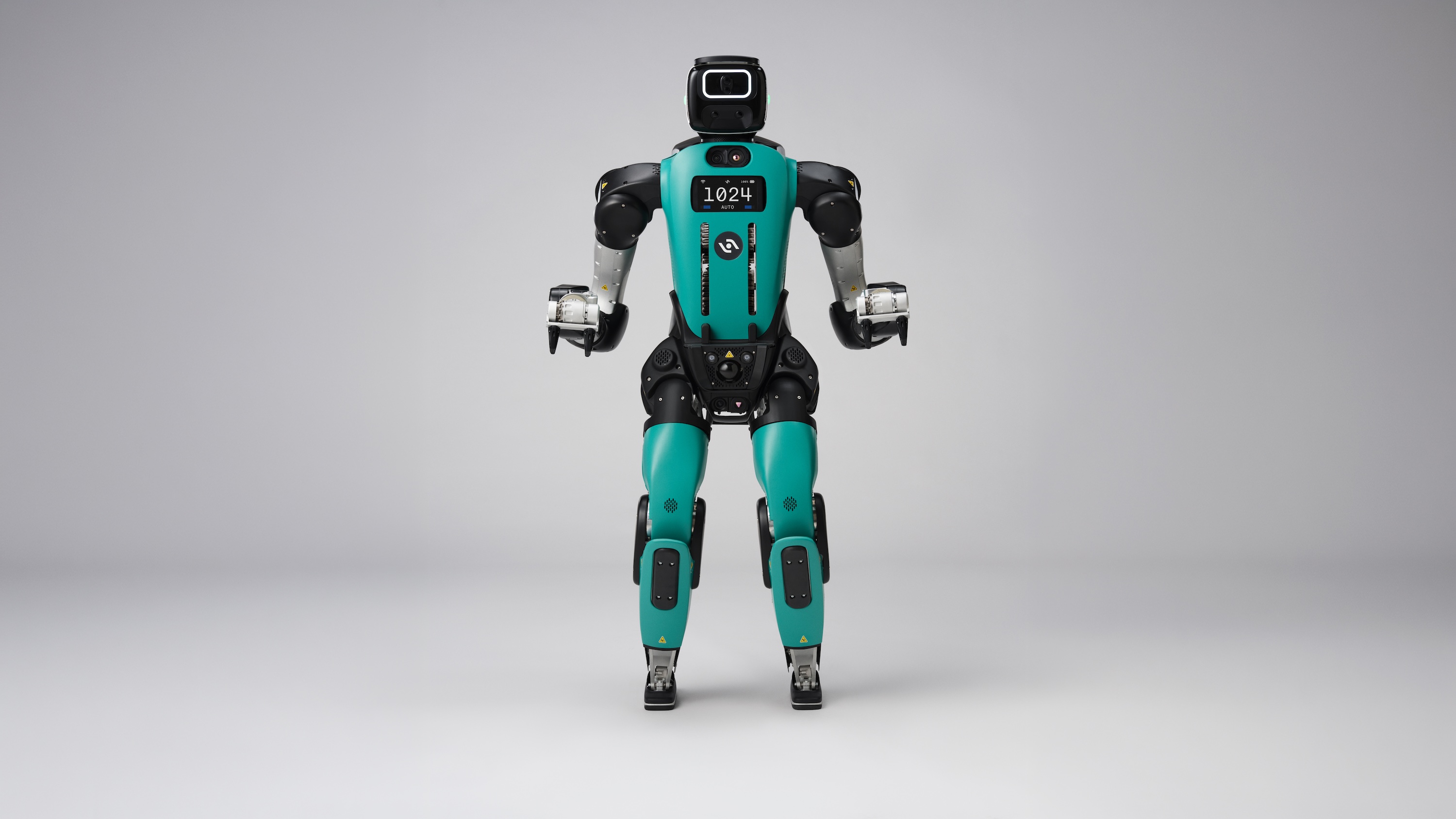
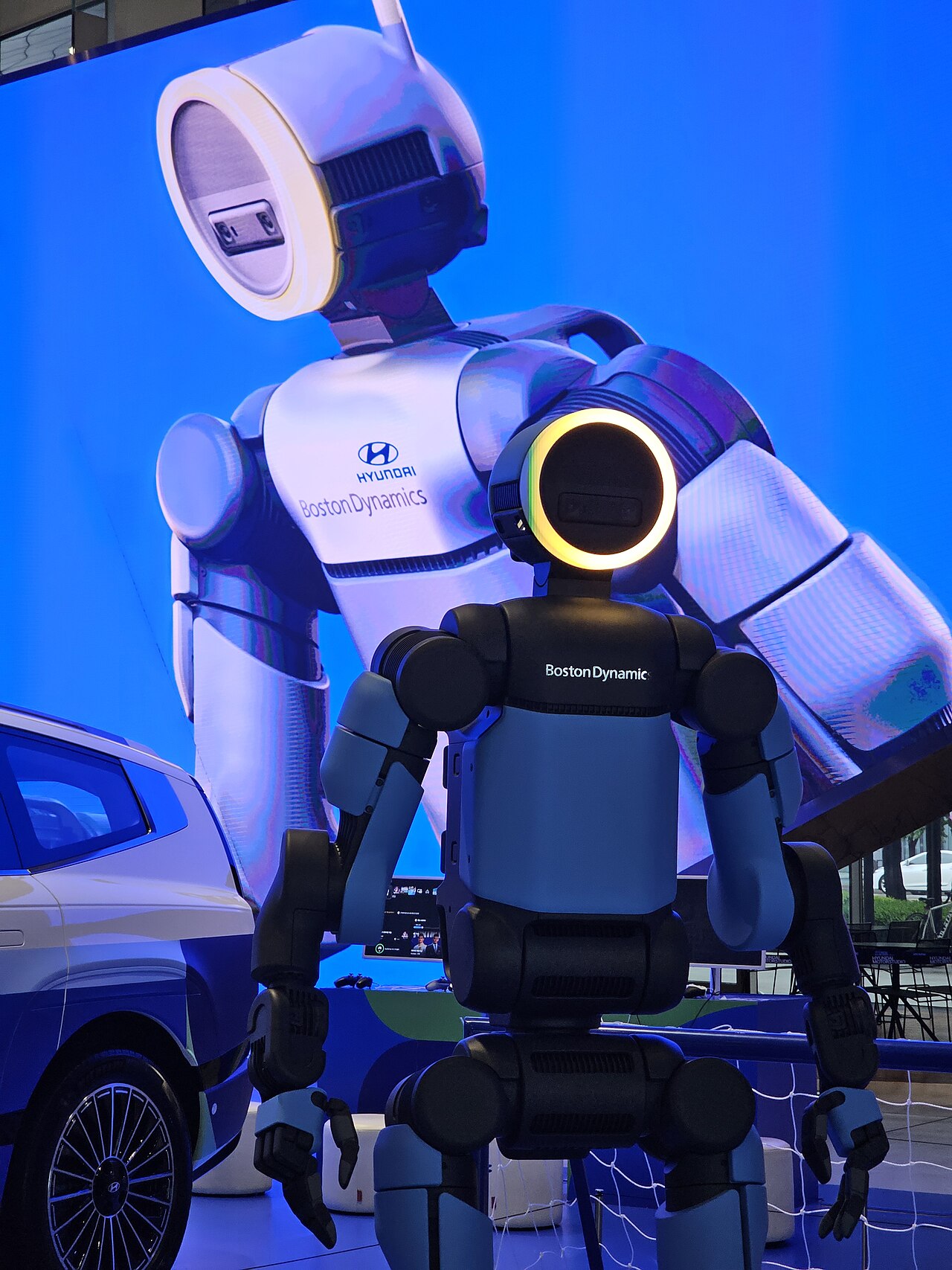
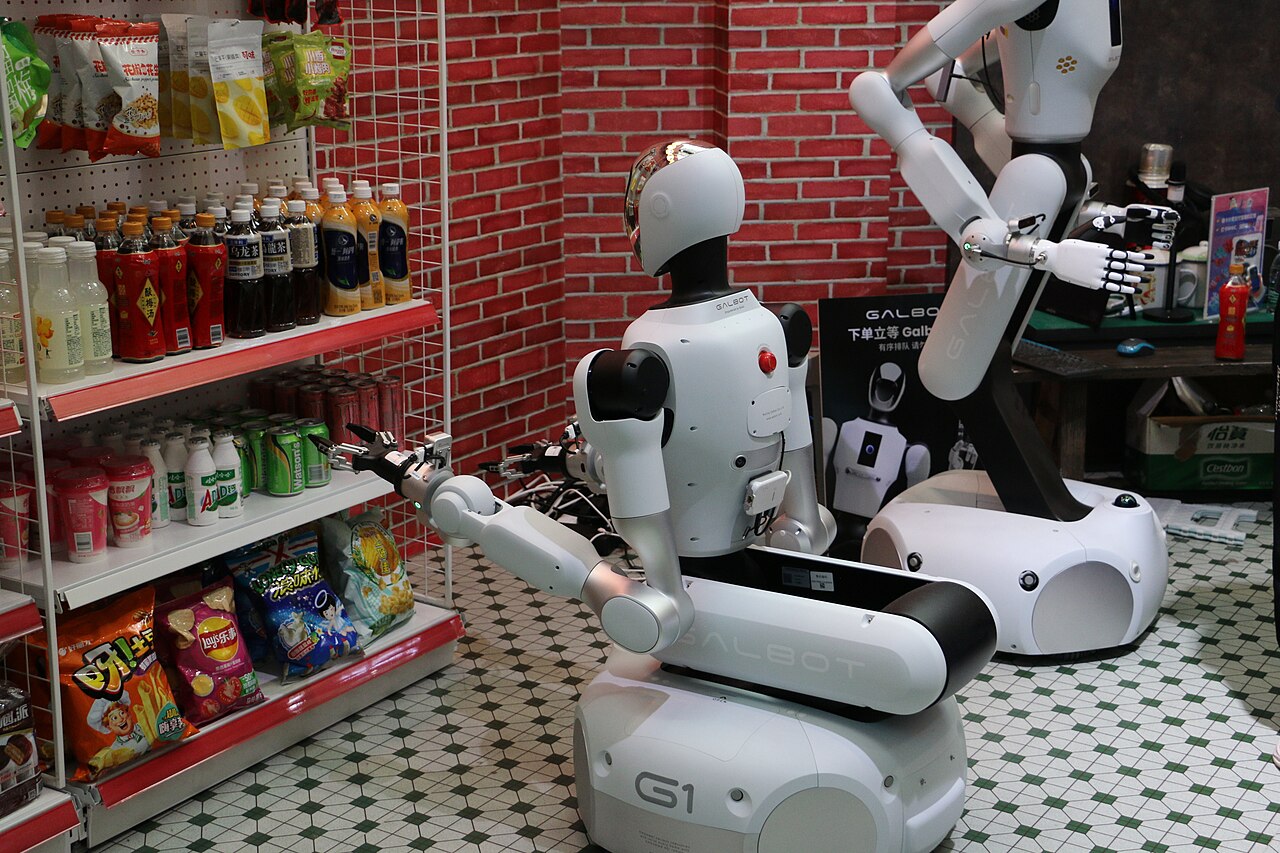
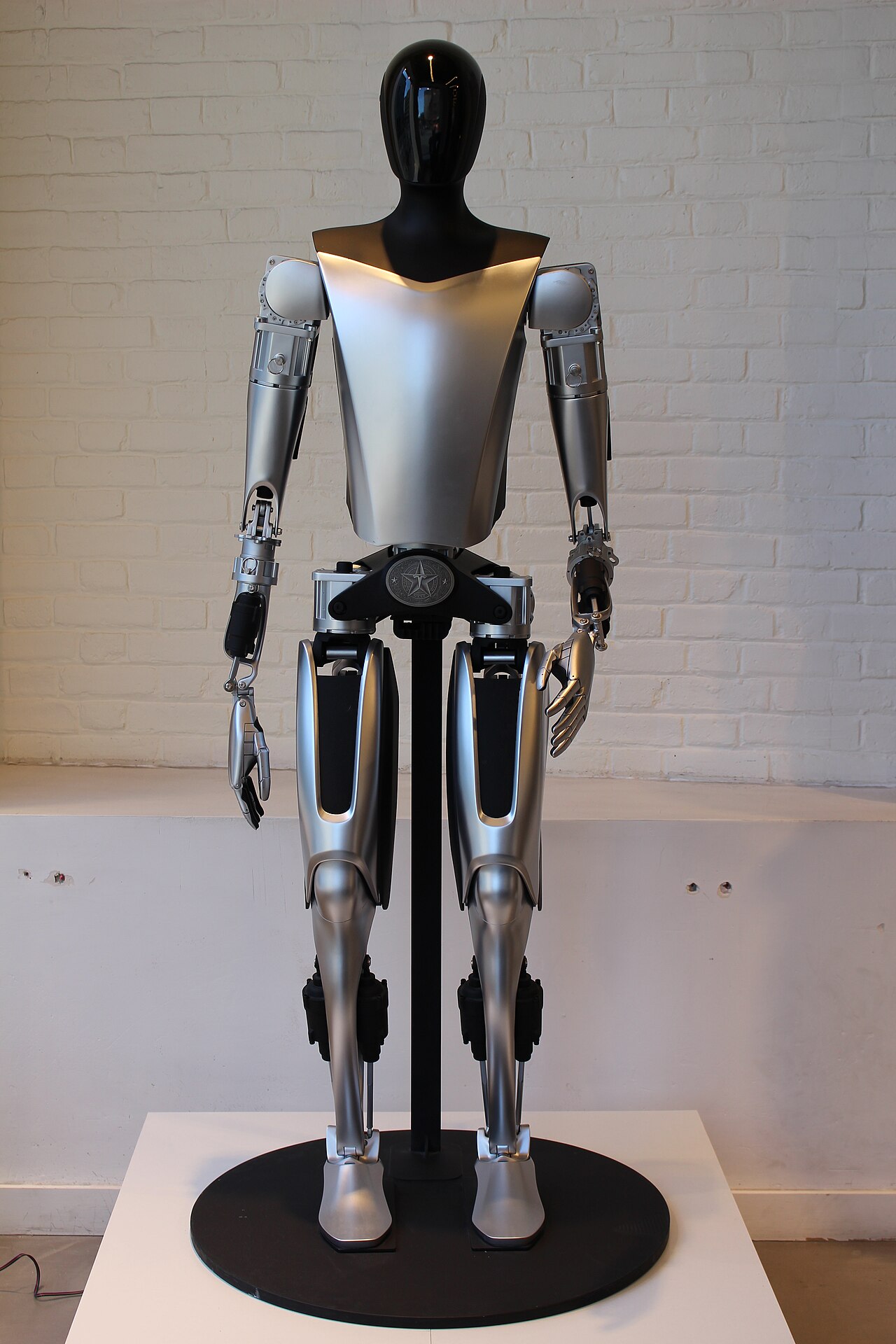
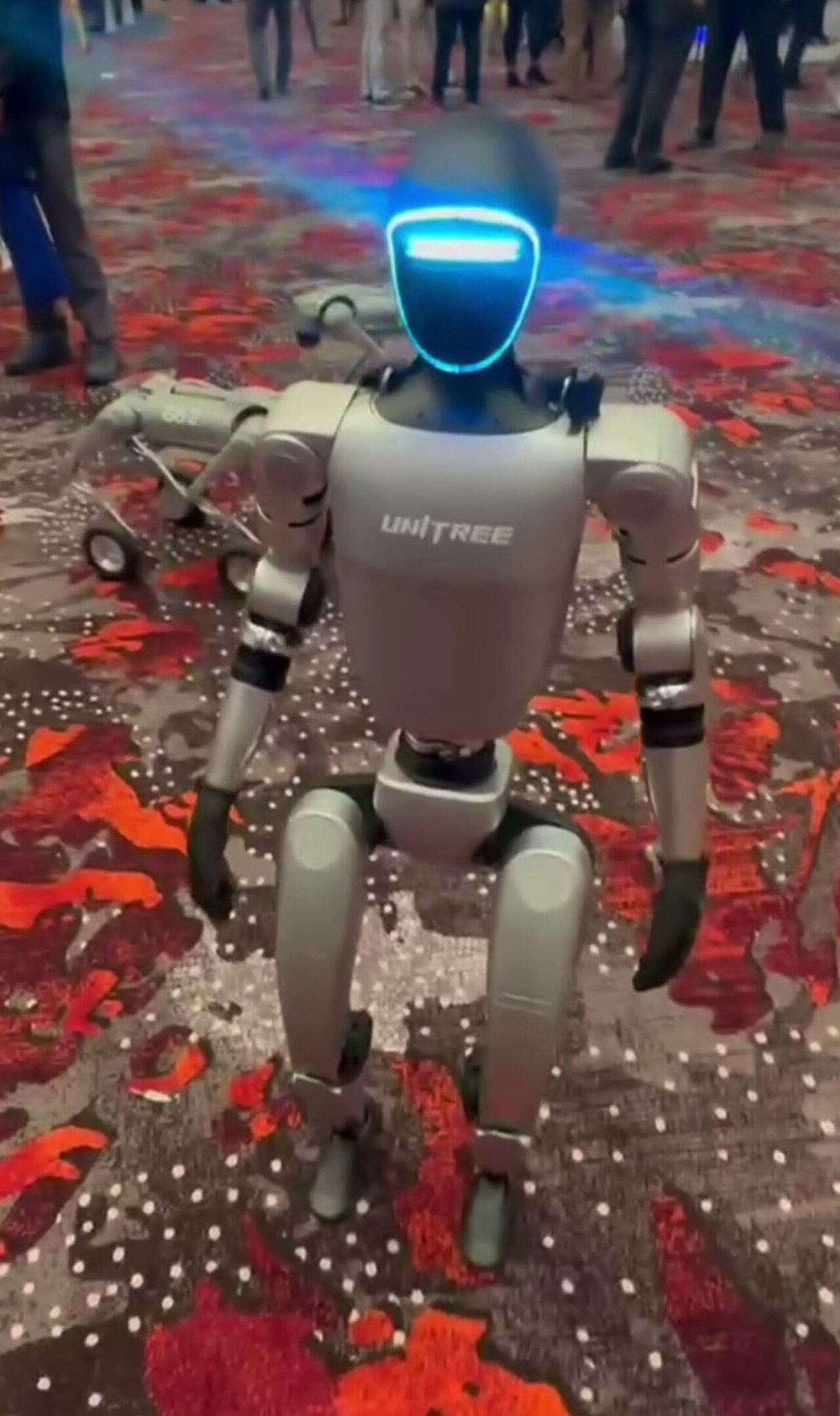
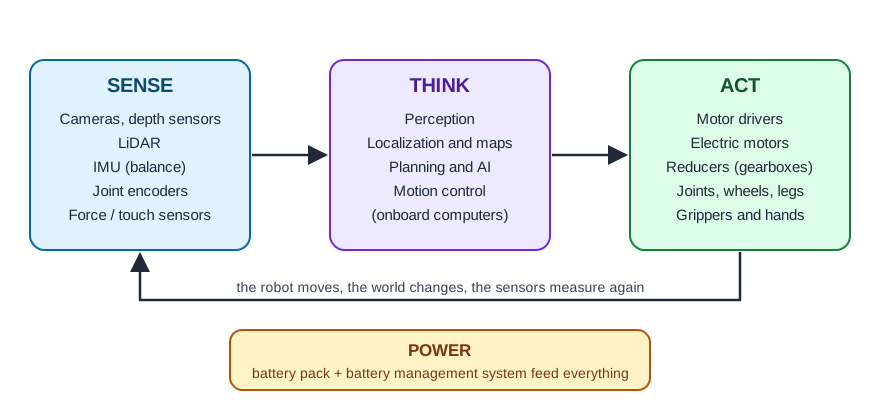
Every robot, from a vacuum cleaner to a humanoid, runs the same loop: sensors measure the world, computers decide, and actuators move. This guide explains the parts involved and how they fit together.
A robot is a machine that can sense its surroundings, decide what to do and act on the world by itself. The details change a lot between a cleaning robot, a factory arm and a humanoid, but the building blocks are the same.
Sense
Sensors turn the physical world into numbers the computer can use. Some look outwards: cameras, depth cameras and LiDAR build a picture of the surroundings, and microphones or touch sensors pick up people. Others look inwards: every motorised joint has an encoder that reports its angle, and an IMU (inertial measurement unit) tells a walking robot how it is tilting. See how robot sensors work.
Think
Onboard computers process the sensor data. Perception recognises objects and people, localization works out where the robot is, planning chooses what to do next and motion control turns that plan into commands for every joint, many times per second. Modern robots often combine a real-time controller for the joints with a more powerful computer, sometimes with a GPU, for vision and AI models.
Act
Actuators create motion. In almost every modern robot this means an electric motor driven by a motor driver, usually followed by a reducer (gearbox) that trades speed for torque. The result moves a joint, a wheel, a leg or a gripper. See inside a robot joint.
Power
A mobile robot carries its energy with it, almost always in a lithium-ion battery pack with a battery management system. Battery capacity and the power the robot draws decide how long it can work between charges. See batteries and runtime.
Closing the loop
The important word is loop: the robot acts, the world changes, the sensors measure the result and the robot corrects itself. The faster and more accurate this loop is, the smoother and safer the robot moves. That is why the same concepts appear in every guide here: sensors, controllers, motors, reducers and power.
Browse the robot catalog to compare how different robots combine these parts, with every specification linked to its source.