Buying
Robot maintenance basics: what wears out and how to look after it
The parts of a robot that wear, the routine checks makers recommend, and the habits that keep a new or second-hand robot working for years.
Robots are built to run for many years, but only if they are looked after. The maker's maintenance manual always comes first: intervals, lubricants and procedures differ between models. This guide explains what those manuals are about.
What wears out
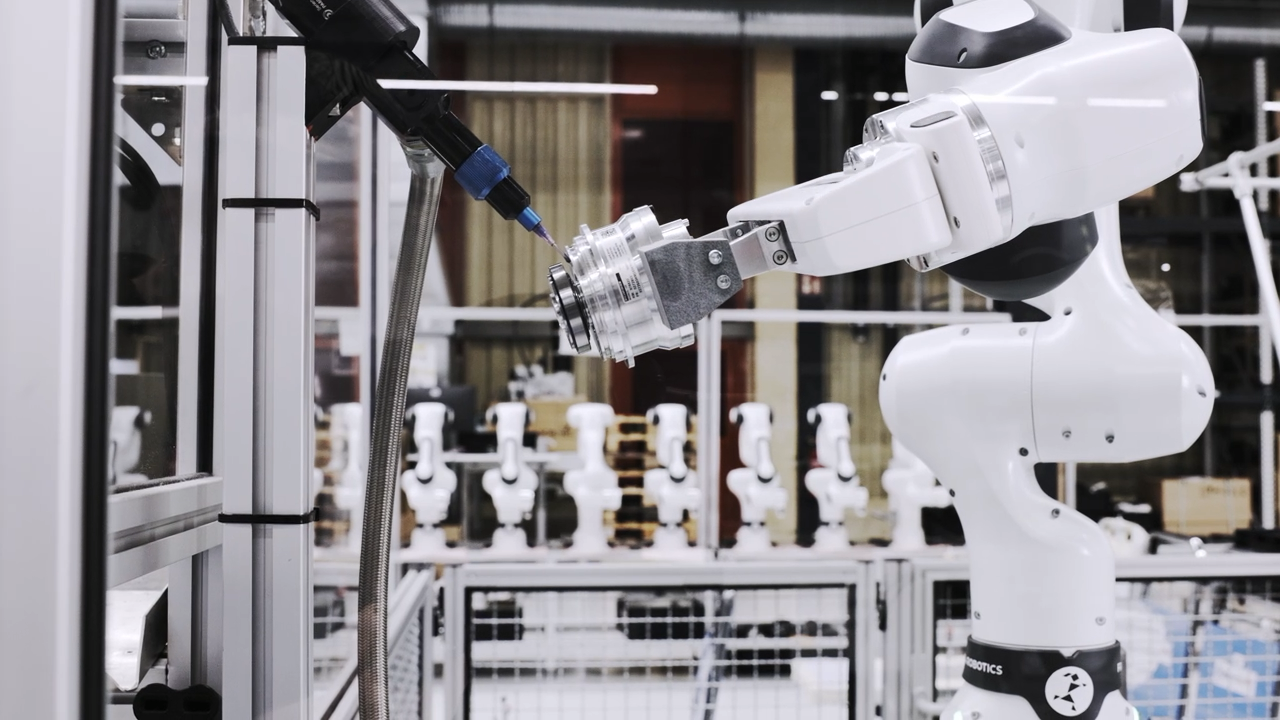
- Reducers and bearings: the gearboxes in each joint carry high loads. Many industrial arms need their grease changed at intervals given in operating hours; others are lubricated for life. Noise, vibration or backlash are warning signs.
- Cables and hoses: cables that bend with every motion eventually break, especially the ones running to the tool. Dress packs and cable guides wear too.
- Batteries: mobile robots, legged robots and the small backup batteries that keep an arm's position memory all have batteries that age, even when unused.
- Brakes and motors: holding brakes wear with use; motors rarely fail but encoders and connectors can.
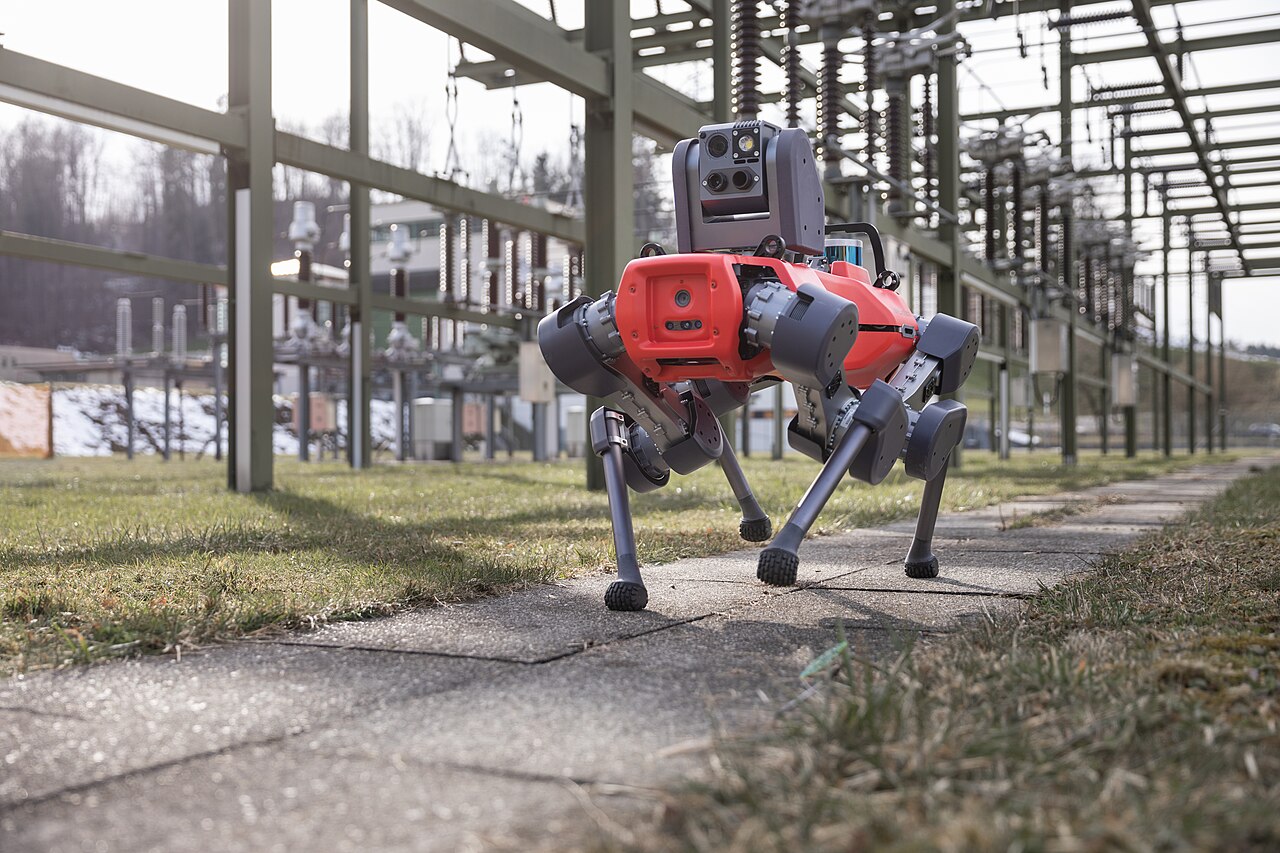
- Feet, wheels, covers and seals: legged robots wear their feet, mobile robots their wheels and bumpers, and cleaning robots their brushes and filters. Damaged seals lower the IP protection.
Routine checks
- Keep a backup of programs and settings, and update it after every change.
- Look for loose bolts, damaged cables, oil or grease leaks and cracked covers.
- Listen for new noises and watch for vibrations at the same point in the cycle.
- Test emergency stops and safety functions at the intervals your risk assessment requires.
- Keep firmware updated as the maker recommends, and read release notes first.
Batteries and storage
Lithium-ion packs dislike being stored full or completely empty and dislike heat. Follow the maker's storage instructions, charge stored packs periodically, and replace packs that swell or lose capacity quickly. Some makers require their own chargers and packs for the warranty.
Condition monitoring
Many controllers log joint torques, temperatures and error codes. Watching these trends lets you plan repairs before a failure, which is what predictive maintenance means. Some makers offer it as a cloud service.
Buying second-hand
Ask for the maintenance history, operating hours, backup files and the controller's error log. A robot that was maintained on schedule is worth more than one with fewer hours and no records.
Find service companies, spare parts, and known issues reported by owners. Also read buying a used robot.