Buying
Restaurant and hotel robots: what they do and what to check before buying
How delivery robots for restaurants, hotels and care homes work, which spaces suit them, and the specifications and practical points that decide whether one pays off.
Delivery robots have become a familiar sight in restaurants, hotels, hospitals and care homes. They don't replace staff; they take over the walking, so people can spend more time with guests.
What they do
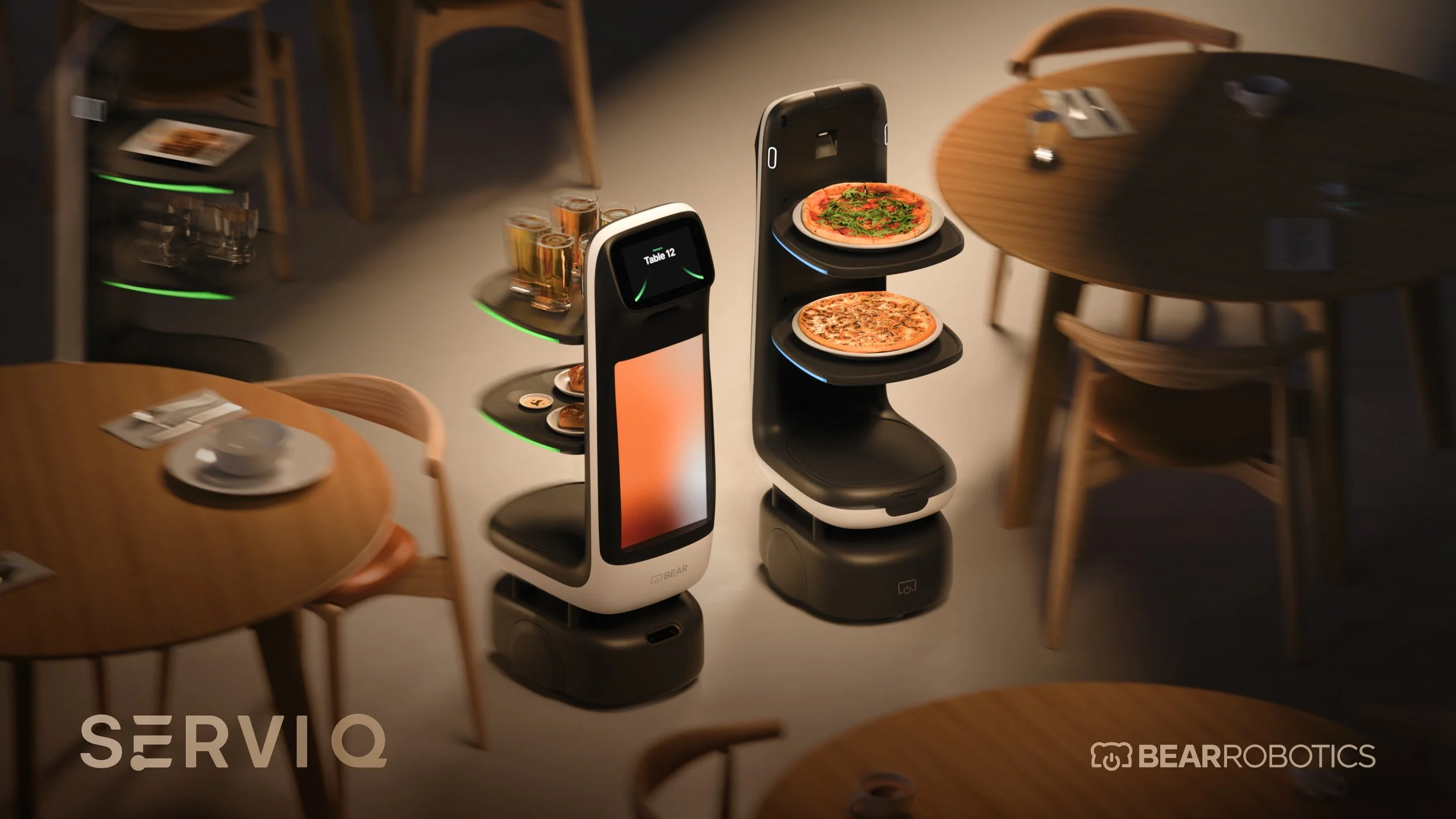
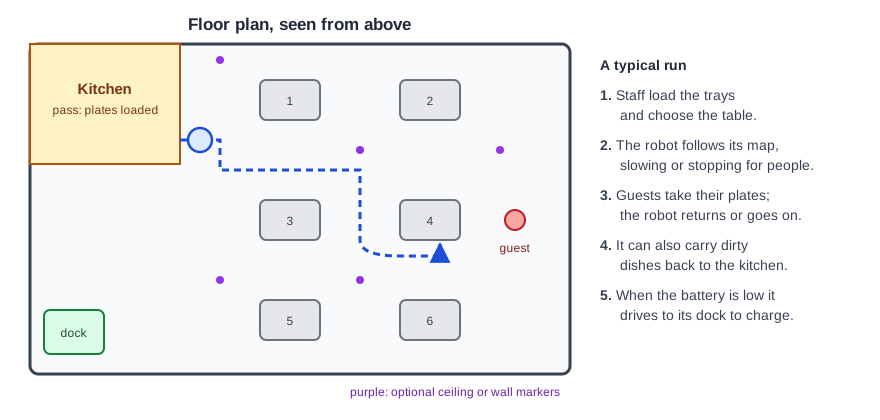
- Food runs: carry plates from the kitchen pass to the table on several trays.
- Clearing: bring dirty dishes back to the kitchen.
- Hotel deliveries: take towels, amenities or takeaway orders to a room, usually in a closed compartment, and call the guest when they arrive.
- Greeting and guiding: lead guests to their table or show menus and promotions on a screen.
How they find their way
They are small autonomous mobile robots. During installation a technician drives the robot around to build a map and marks tables, the kitchen pass and the charging dock. Depending on the model, the robot then localises itself with LiDAR, cameras, or small markers stuck to the ceiling. It slows down and stops for people and obstacles; it does not grab or lift anything, so guests or staff load and unload the trays.
In hotels, robots that travel between floors need to call and ride lifts, which requires an interface to the lift installed with the building's lift company. Automatic doors and gates may also need integration.
Is your space suitable?
- Aisles: the robot needs clear passages somewhat wider than itself. Very tight layouts, crowded bars and moving furniture reduce its usefulness.
- Floors: smooth, level floors are ideal. Steps, steep ramps, thick rugs and high thresholds can stop it; check the maker's limits.
- Wi-Fi: most robots use the local network for tablets, pagers, fleet management and updates.
- Traffic: the robot pays off where staff walk long distances many times a day, such as large dining rooms, terraces or banquet halls.
Specifications to compare
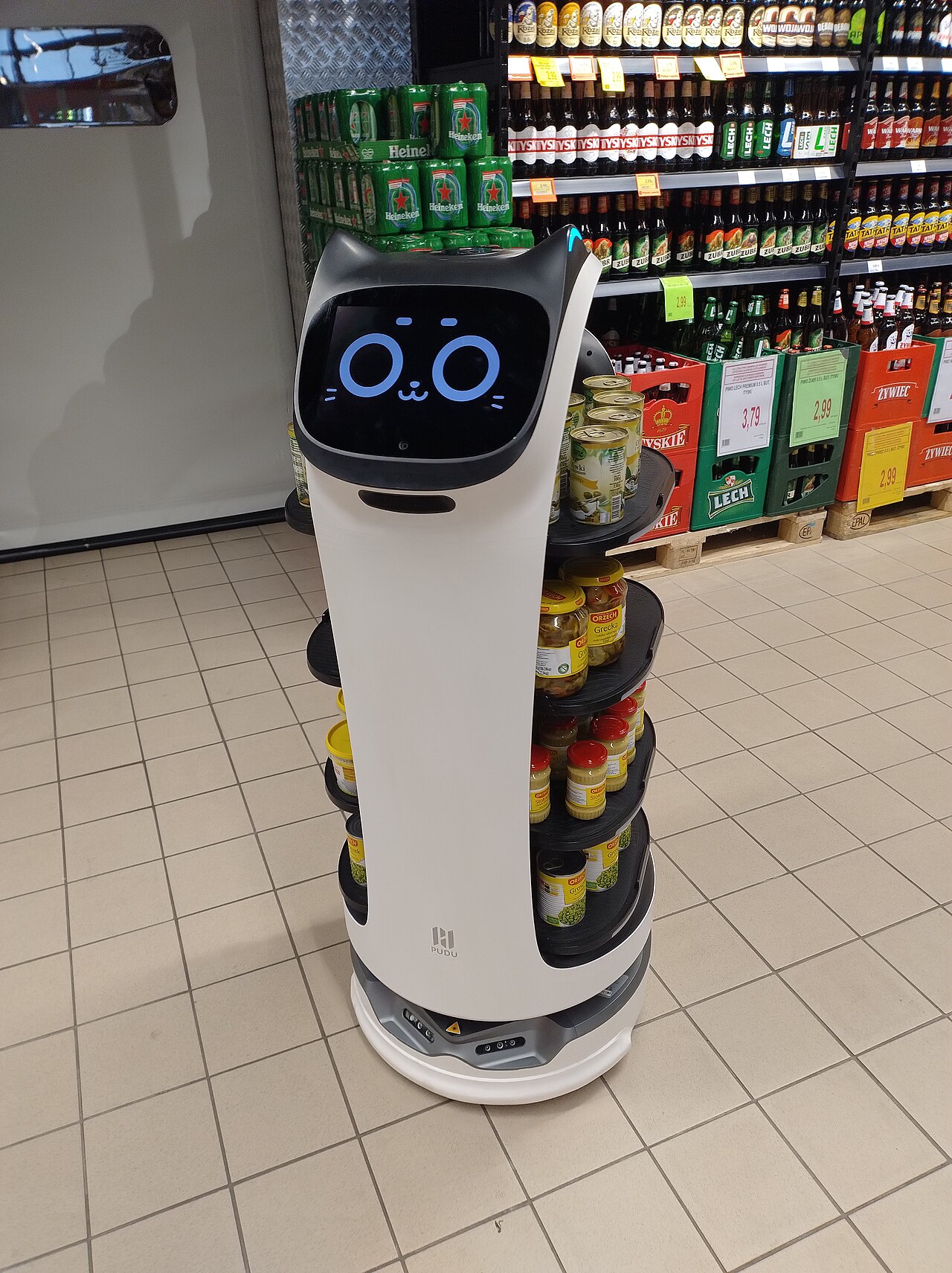
- Payload and number and size of trays. Our pages list the maker's figures with their source, for example BellaBot, Servi Plus or DinerBot T9.
- Runtime and charging: whether one charge covers a full service, and whether the battery can be swapped.
- Speed: usually similar to a slow walk; in practice the robot is limited by the space and the people around it.
- Navigation: LiDAR, cameras or markers, and how well it copes with glass, mirrors and sunlight.
- Integrations: pagers, point-of-sale systems, lifts, doors and fleet software.
Buying, renting and support
Many sellers offer rental or subscription plans that include maintenance, which lowers the upfront cost and the risk. Whatever you choose, ask who installs and maps the robot, how quickly a technician can come, and whether spare batteries and parts are available locally.
Compare delivery robots and hospitality robots, find local dealers, or read how mobile robots navigate.