Buying
IP ratings: how much dust and water a robot can take
What the two digits of an IP code mean, which ratings suit factories, outdoor work and wash-down, and the common mistakes when reading them.
Robot datasheets often list a rating such as IP54 or IP67. It comes from the international standard IEC 60529 and tells you how well the enclosure keeps out solid objects, dust and water. It says nothing about shocks, chemicals or temperature.
Reading the two digits
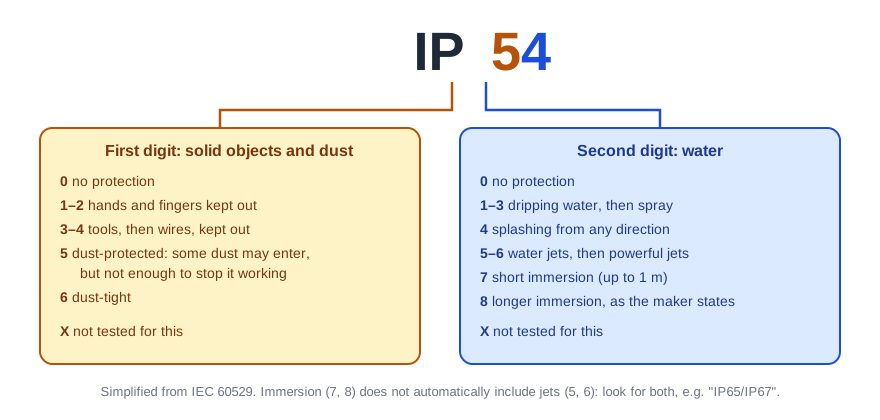
The first digit (0 to 6) is about solids: from fingers and tools up to fine dust. A 5 means some dust may get in, but not enough to stop the machine working; a 6 means dust-tight.
The second digit (0 to 9) is about water: from dripping, to splashing, to jets and immersion. An X in place of a digit means that aspect was not tested, so IPX4 says nothing about dust.
Common mistakes
- Higher is not always better for water. A device tested for immersion (7 or 8) was not necessarily tested against powerful jets (5 or 6). Products that survive both are usually marked with both codes, for example IP65/IP67.
- The rating covers the tested product only. Open covers, damaged seals, unplugged connectors or a gripper added later can make the real protection much lower.
- Wash-down with detergents or hot water is a different stress than the rain-like water in the tests. Food and pharmaceutical robots are often sold in special versions with smooth surfaces and resistant materials.
- Cleanrooms are the opposite problem: there the robot must not release particles into the room. That is described by cleanroom classes (ISO 14644), not by IP codes.
What to look for
- Indoor factory or lab: many cobots are rated IP54, for example the UR5e; that is plenty away from liquids.
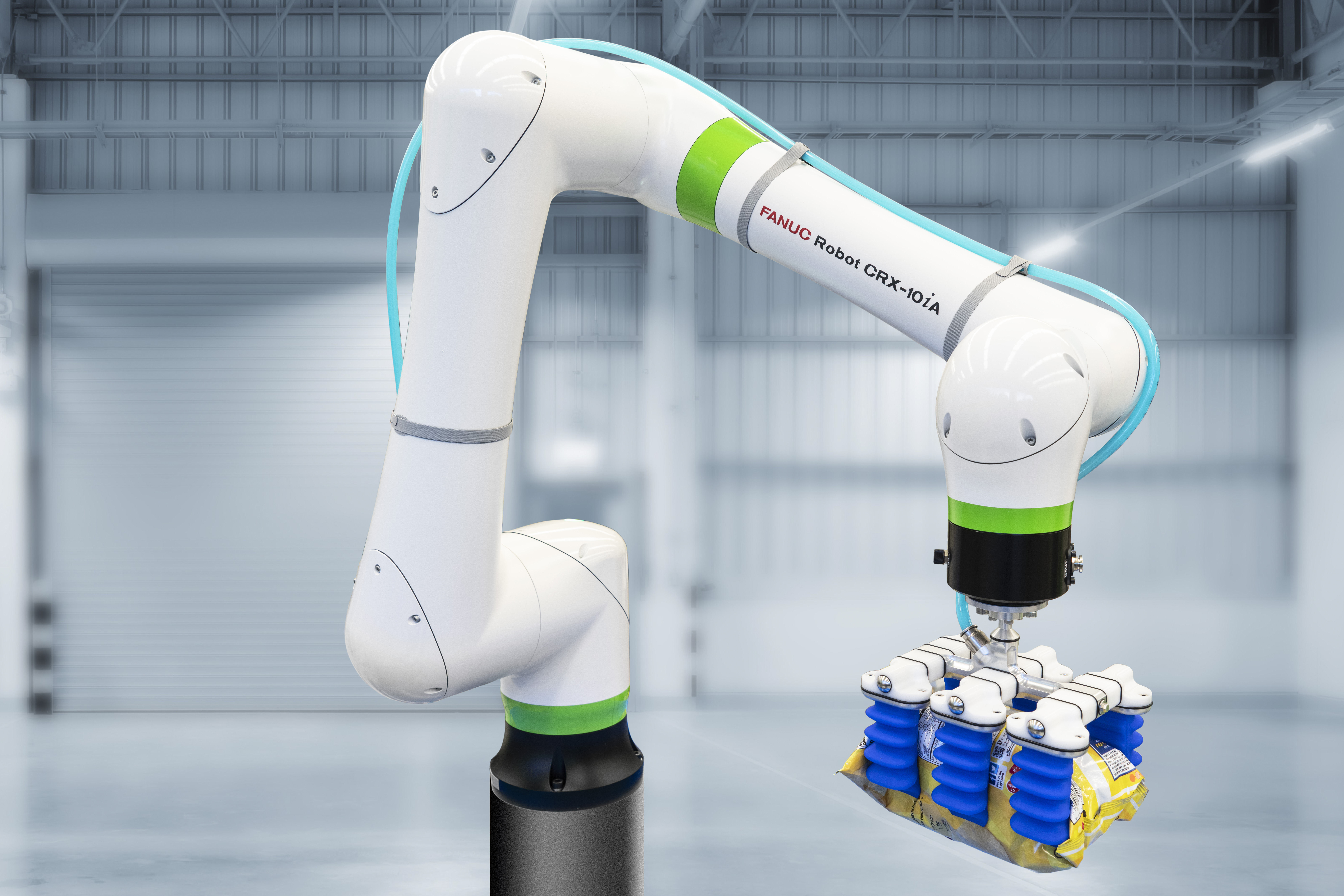
- Machining with coolant, foundries, dusty work: look for IP65 or higher on the arm, such as the IP67 FANUC CRX-10iA, and check the controller cabinet separately; it is often less protected than the arm.
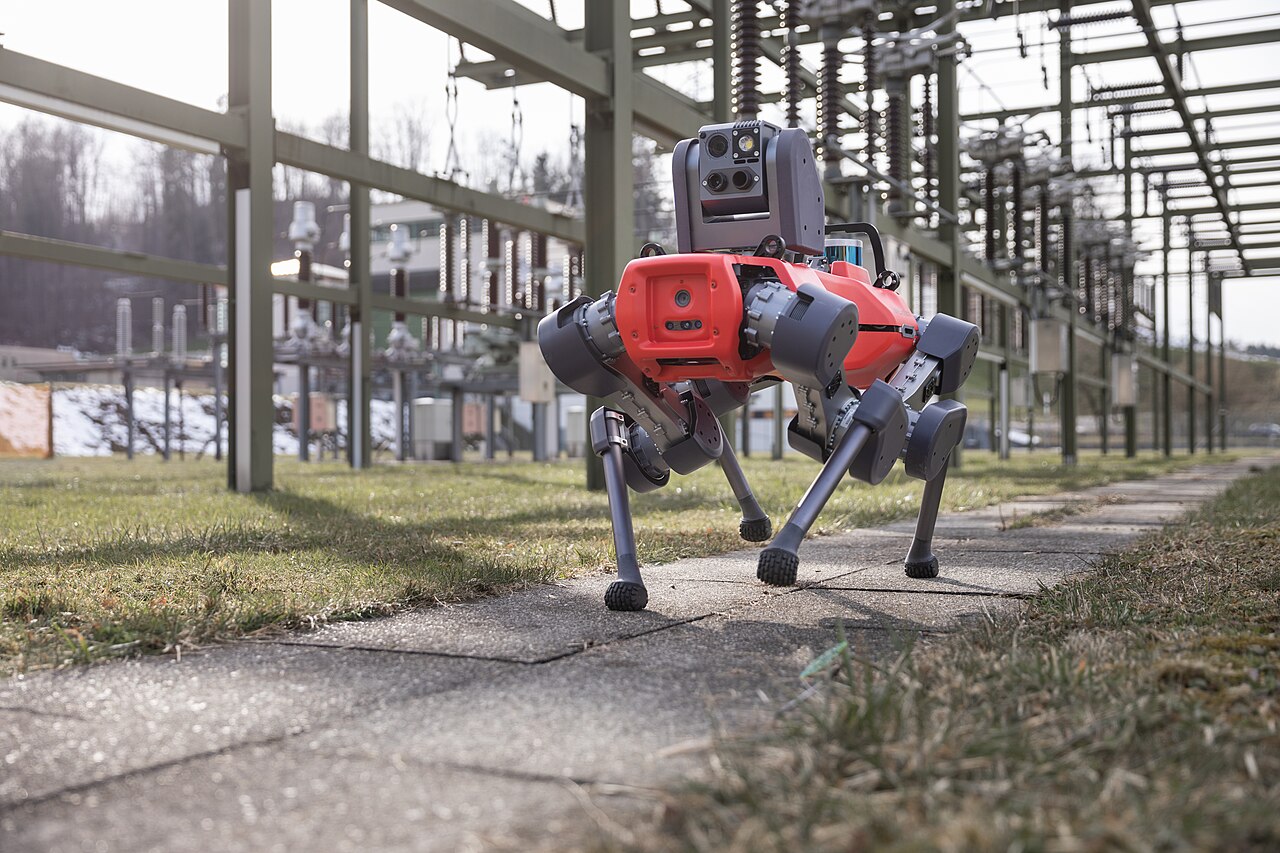
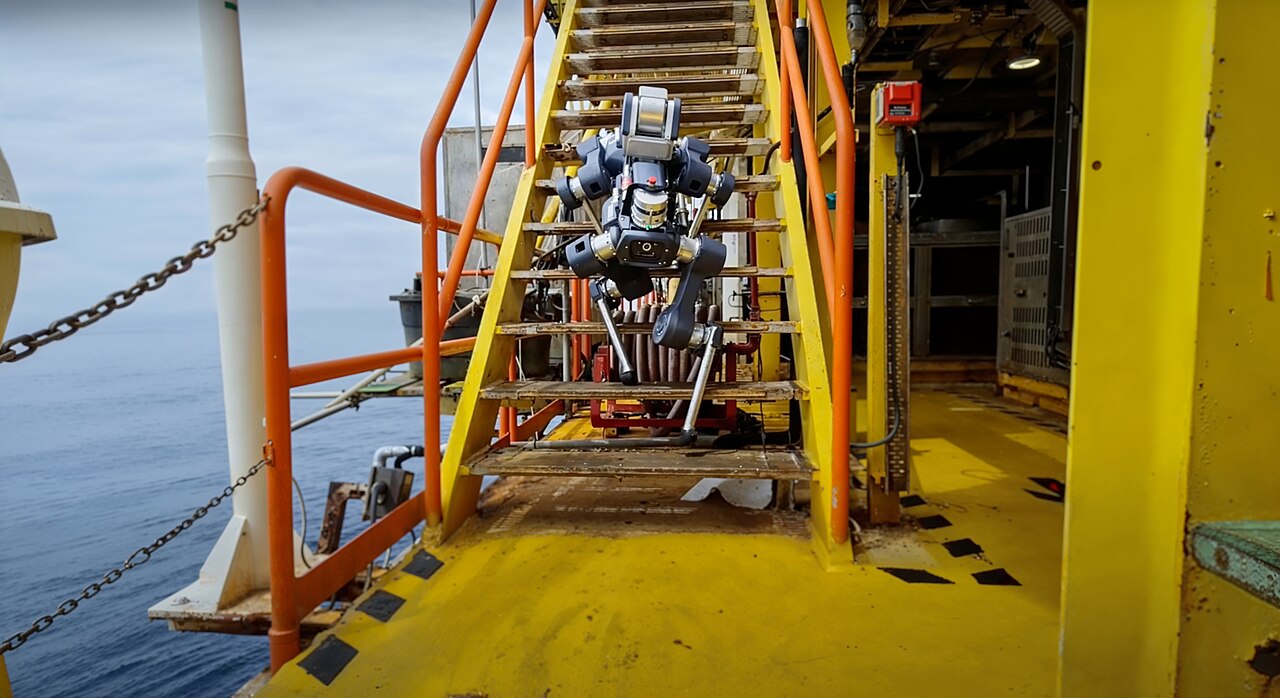
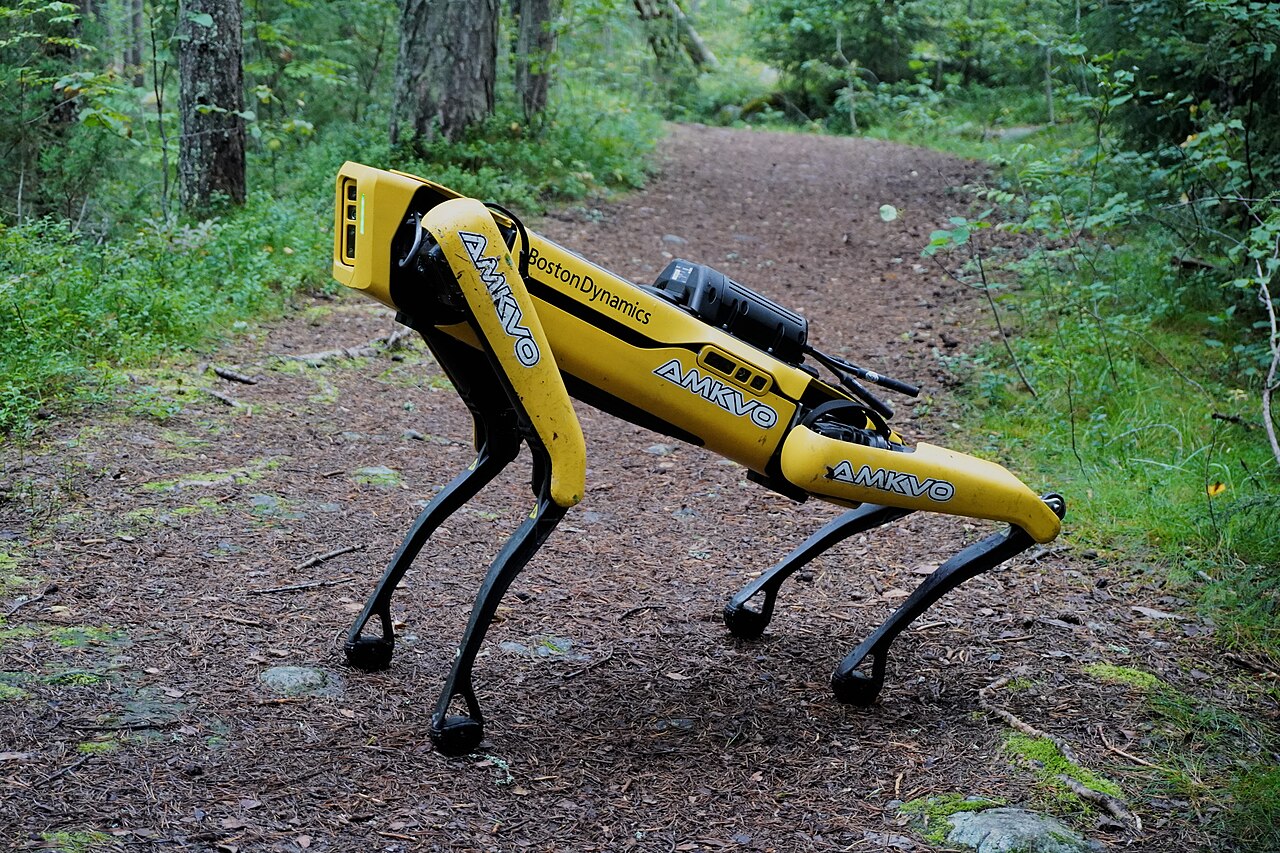
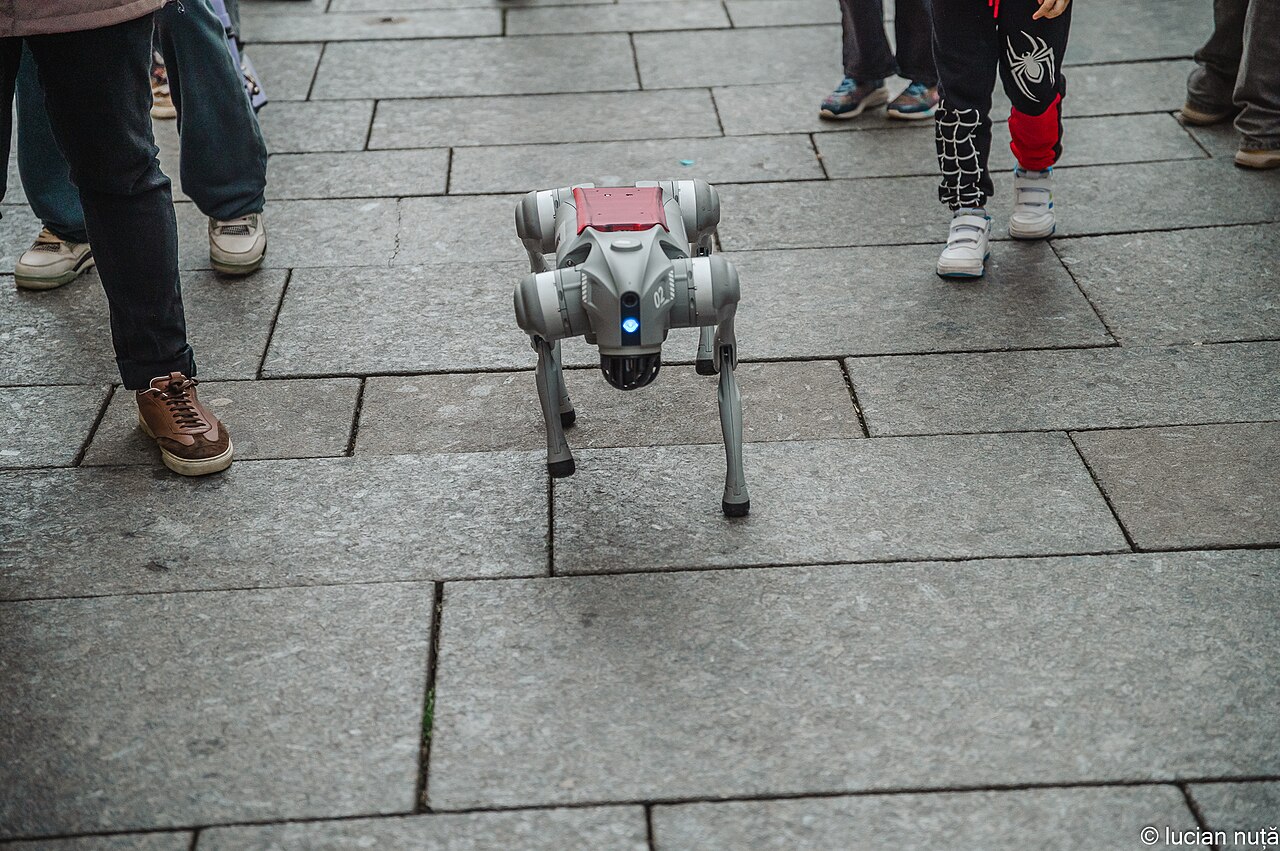
- Outdoor mobile robots: rain and dust call for at least IP54 on the robot, and some inspection quadrupeds go further, such as the IP67 Unitree B2. Check whether the rating still applies with payloads and cameras mounted.
On DroidBazaar each robot's IP rating, when published by the maker, is listed with its source on the robot page.
See robots for inspection and agriculture, or compare models side by side.