Software and AI
Robot software: controllers, SDKs and ROS
How robots are programmed, from teach pendants and block programming to SDKs and the Robot Operating System (ROS 2). What to check before you buy if you want to write your own code.
The hardware makes a robot move, but software decides what it does. There are several layers, and how open each one is makes a big difference for researchers, integrators and hobbyists.
The robot's own controller
Every robot has a controller running the real-time control loops for its joints (see control loops and encoders). Users do not normally change this layer; it enforces safety limits and keeps the robot stable.
Teach pendants and apps
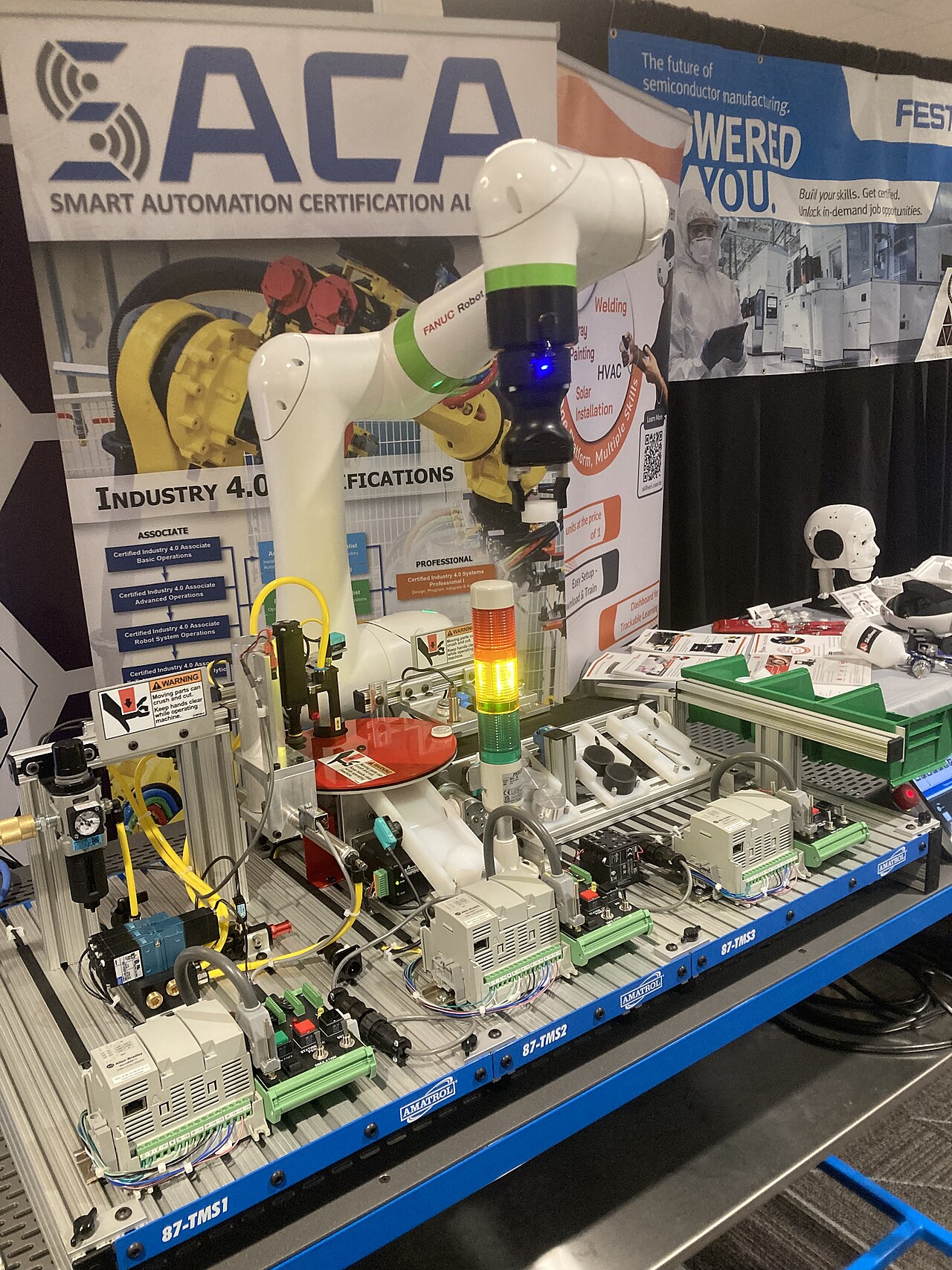
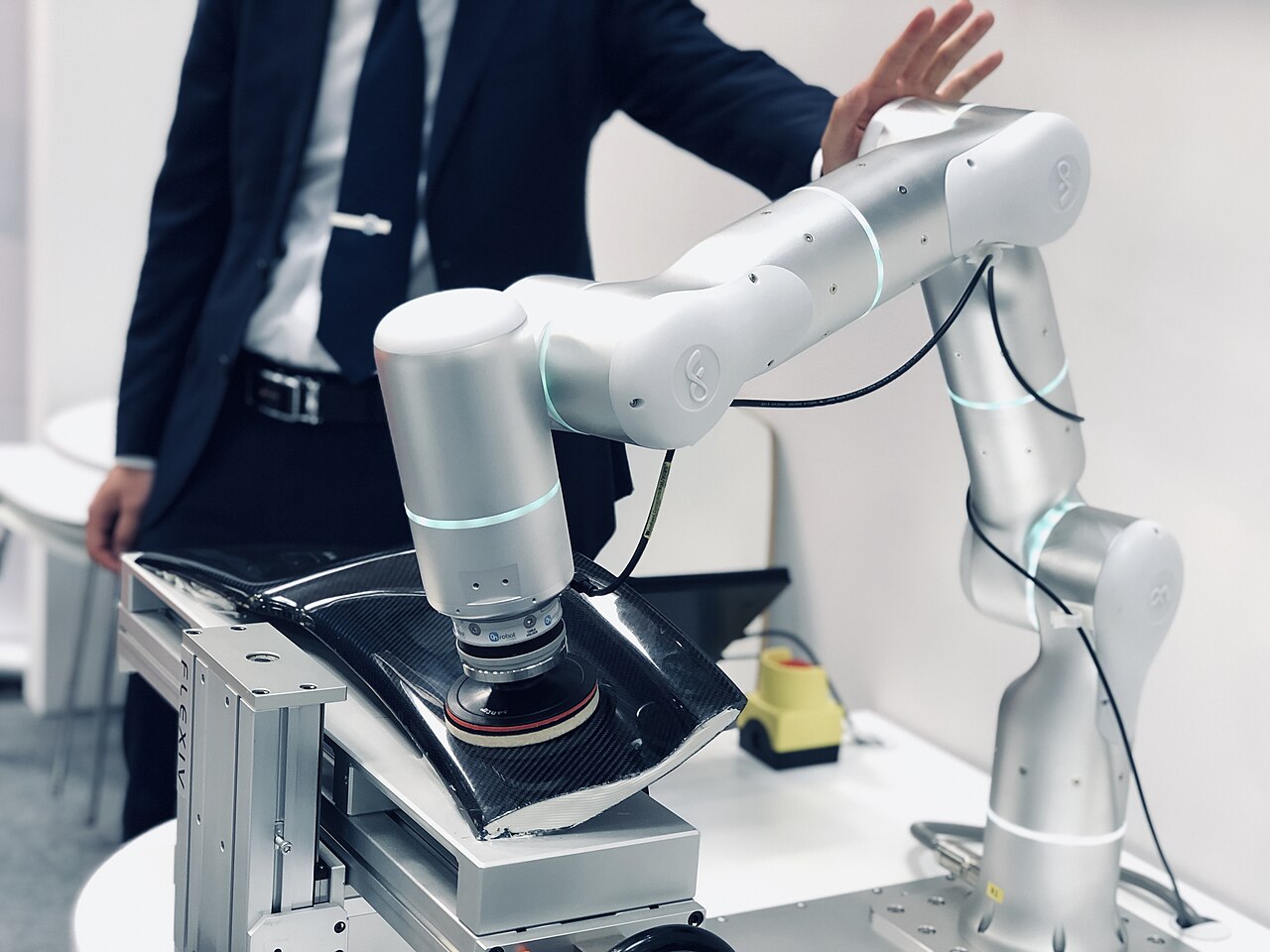
Industrial and collaborative arms are traditionally programmed with a teach pendant: a handheld tablet where you jog the arm to points and build a program step by step. Many cobots add hand guiding, block-based programming and plug-in "apps" for grippers and cameras. Service robots are usually configured through a web or tablet app: maps, routes and tasks.
SDKs and APIs
A software development kit (SDK) lets you control the robot from your own code, usually in Python or C++. Check:
- Whether it is high-level (walk here, move the tool there) or also gives low-level access to joint torques, which research on legged robots often needs.
- Whether it is included or only in an EDU or developer version.
- The licence and whether the source code is public.
The robot pages on DroidBazaar link to official SDKs and documentation when we find them.
ROS and ROS 2
The Robot Operating System is an open-source framework widely used in research and increasingly in industry. It provides standard messages for sensors and motion, tools for mapping, navigation and manipulation, and a large ecosystem of drivers. ROS 2 is the current generation. A robot with official ROS 2 support is much easier to integrate with other hardware and with existing algorithms.
Simulation
Simulators let you test code and train AI controllers before touching the real robot. Many makers publish robot models (URDF or similar) for common simulators.
Updates and support
Firmware updates bring fixes and features, and sometimes change behaviour. For used robots, ask whether updates and cloud services still work for a new owner. See buying a used robot.
In the robot directory you can filter by "ROS support" and "SDK available", with every value linked to its source.